
Blog / Ford Explorer

Is Ford BlueCruise on the 2026 Ford Explorer the Right Choice for Daily Drives around Candler, NC?

Is Ford BlueCruise on the 2026 Ford Explorer the Right Choice for Daily Drives around Candler, NC?

Asheville Ford - Is Ford BlueCruise on the 2026 Ford Explorer the Right Choice for Daily Drives around Candler, NC?

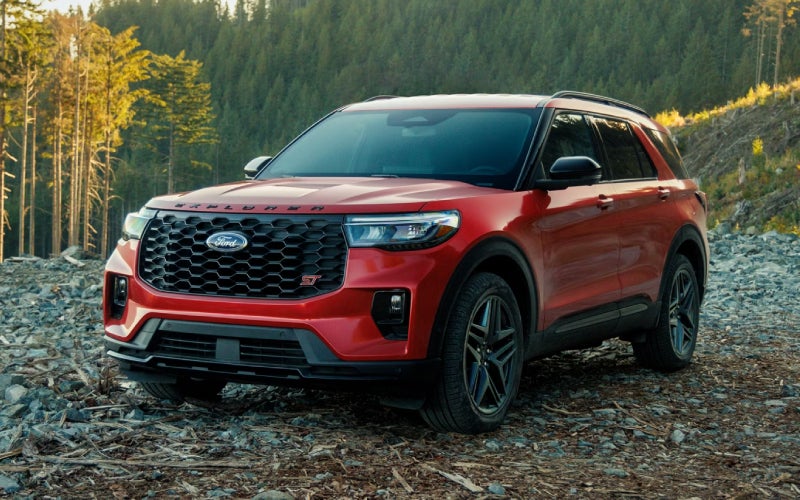
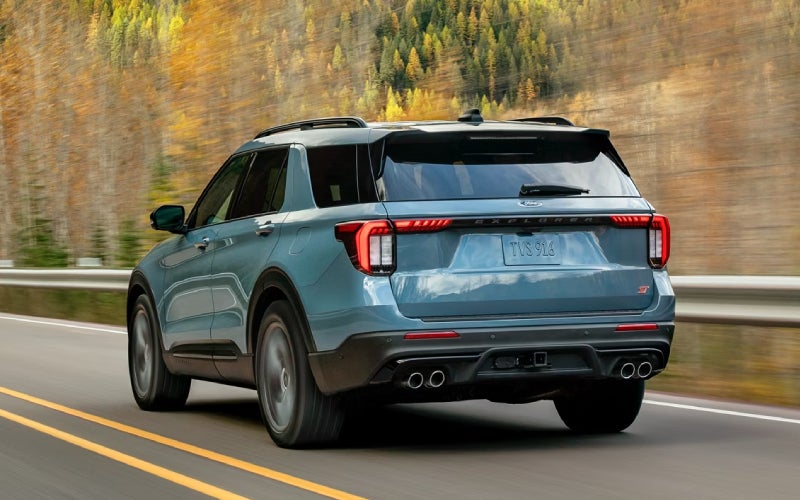
Hands-free highway driving assistance has quickly become a deciding factor for many SUV shoppers, and Ford BlueCruise on the 2026 Ford Explorer® is a prime example of how far the tech has progressed. If your daily routine includes stretches of I-26 or I-40 and weekend trips on divided highways around Candler, NC, understanding what BlueCruise does—and what it doesn’t do—will help you decide whether to add it to your next Explorer.

At its core, BlueCruise is designed to manage acceleration, braking, and steering on prequalified sections of divided highways, all while you keep your eyes on the road. The system works with an attentive driver and uses a driver-facing camera to confirm engagement, so you can settle into a steady rhythm during long, predictable segments without constantly making micro-corrections.

How BlueCruise Works in Real Daily Use

On your morning drive past Enka toward Asheville, you’ll likely encounter steady traffic and periodic slowdowns. Once you’re on a compatible highway, BlueCruise can help maintain following distance, center your lane, and modulate speed as traffic ebbs and flows. Because the Explorer’s cabin is calm and composed, this hands-free assist feels natural rather than intrusive, and you can focus more on the bigger picture—lane changes, merging vehicles, and the overall flow of traffic.

It’s important to note that BlueCruise is not autopilot. You remain responsible for the vehicle at all times, and the system will prompt you to re-engage if it detects that your eyes have diverted from the road. Think of it as a second set of steady hands, reducing the micro-fatigue that builds during longer commutes and weekend highway drives to see friends or family.

Which Explorer Trims Offer BlueCruise?

On the 2026 Explorer, BlueCruise is available on select trims such as Platinum™ and ST. This aligns nicely with how many shoppers configure their SUVs—those seeking premium comfort or sportier dynamics often value advanced driver-assist tech as part of the package. If you love the idea of hands-free assistance but prefer a different trim, ask about available options and packages, and we’ll walk through the best path to equip BlueCruise with your must-have features.

Beyond BlueCruise, Explorer brings a full suite of Ford Co-Pilot360® Assist+ technologies. Adaptive Cruise Control takes the edge off stop-and-go, while available 360-Degree Camera views are especially helpful when you’re squeezing into downtown parking near coffee shops and parks. The combination of these systems creates a smoother, less stressful driving experience throughout the week.

Daily Benefits You’ll Notice

  • Reduced fatigue: By handling acceleration, braking, and steering on compatible divided highways, BlueCruise helps you arrive fresher.
  • Consistent pacing: It maintains speed and distance more smoothly than many drivers can in heavy traffic waves.
  • Clear oversight: Driver monitoring reinforces safe habits and ensures you’re ready to take over instantly.
  • Seamless integration: The system layers naturally with Ford Co-Pilot360® Assist+ so daily driving feels cohesive, not complicated.

These benefits add up when you’re covering ground regularly, whether commuting from Candler to appointments or heading out for a day trip east or west along the interstate.

BlueCruise and Western North Carolina Roads

Our region’s mix of rolling grades, tunnel sections, and gentle highway curves fits the strengths of BlueCruise. On prequalified segments, the system’s lane-centering and speed modulation feel reassuringly smooth. If your plans lead you onto two-lane byways or scenic routes outside those zones, Explorer’s responsive steering and available Intelligent 4WD take over with confidence. The key is that you can enjoy hands-free assistance when it makes sense and a finely tuned, driver-focused SUV when the road gets more engaging.

For families, the handoff is particularly valuable. While BlueCruise helps on predictable stretches, you can keep conversations going with the second row, monitor backseat needs, or plan your next stop using the Ford Digital Experience when parked. Pair all of that with available comfort touches—heated and ventilated front seats, a quiet cabin design, and the available B&O® Sound System by Bang & Olufsen®—and you’ve got a travel setup that supports everyone onboard.

Is BlueCruise Worth It for You?

Ask yourself how much time you spend on divided highways each week. If your drives commonly include those prequalified segments, the value of reduced fatigue and smoother pacing becomes clear. Also consider whether you prioritize tech that fades into the background. BlueCruise is one of those features you’ll quickly forget to think about—and that’s a compliment. It simply does its work and lets you focus on the bigger picture of your trip.

If you’re fine-tuning trim and options, think about complementary features. On Platinum™ and ST, you can also equip amenities that make the highway even easier to live with—like the available panoramic fixed glass roof with power sunshade for an airy feel, or upgraded seating that keeps you comfortable during longer stints.

What to Try on Your Test Drive

  • Highway sample: Include a compatible divided highway stretch, if available, to experience how BlueCruise maintains lane and distance.
  • Traffic transitions: Move from steady flow to moderate congestion to feel how the system modulates speed and spacing.
  • Driver monitoring: See how the attention prompts work so you understand the feedback loop behind the scenes.
  • Feature synergy: Explore how BlueCruise, Adaptive Cruise Control, and available 360-Degree Camera features complement each other.

These quick evaluations reveal not just how BlueCruise performs, but how naturally it blends into your everyday routine.

Next Steps

We encourage you to schedule a test drive at a time when you can include a highway segment. That way, you’ll experience BlueCruise where it shines and evaluate how it fits your day-to-day. Our team will help you compare trims, review feature availability, and ensure your Explorer build matches your commute, family, and weekend plans.

Asheville Ford is proudly serving Burnsville, Candler, and Canton with a thoughtful, low-pressure approach. When you’re ready, we’ll set up a route that mirrors your life, answer every question, and help you decide if Ford BlueCruise on the 2026 Explorer is the right addition to your next SUV.

Frequently Asked Questions:

Do I still need to pay attention when using Ford BlueCruise?

Yes. BlueCruise is a hands-free highway driving assistance feature for use on prequalified divided highways, but you must remain attentive, keep your eyes on the road, and be ready to take control at any time.

Which highways around Candler, NC are compatible?

BlueCruise operates on prequalified sections of divided highways that Ford designates for hands-free use. Before your test drive, ask our team to help plan a route that includes compatible segments so you can experience it firsthand.

Can I add BlueCruise to any Explorer trim?

BlueCruise is available on select 2026 Explorer trims, such as Platinum™ and ST. We’ll go over current availability and packaging to help you build the vehicle that fits your priorities.

How does BlueCruise work with Ford Co-Pilot360® Assist+?

BlueCruise complements the broader driver-assist suite. Features like Adaptive Cruise Control and available 360-Degree Camera support everyday driving, parking, and towing, while BlueCruise reduces workload on compatible highways.
Request more 2026 Ford Explorer information

Posted in:

Related Posts

2026fordexplorer-exterior-01

Is the 2026 Ford Explorer or 2026 Chevrolet Traverse Better for Mountain Driving Around Canton, NC?

Asheville Ford - Is the 2026 Ford Explorer or 2026 Chevrolet Traverse Better for Mountain Driving Around Canton, NC? For families and active drivers around Canton, NC, one common question comes up quickly: should the next three-row SUV be the Ford Explorer or the Chevrolet Traverse? Both vehicles bring real strengths to the conversation. The Traverse is known for generous interior space, available seating for up to eight, a large touch-screen display, and a family-oriented cabin layout. The Explorer also offers three-row versatility, but it adds a more performance-focused foundation, available higher horsepower, rear-wheel-drive driving character, and a trim lineup that ranges from refined to rugged. That combination gives the Ford an edge for shoppers who want an SUV that feels confident on mountain grades, composed on curving roads, and comfortable during everyday errands. The best choice depends on priorities, but for many Western North Carolina drivers, the Explorer feels like the more complete SUV. It can tow up to 5,000 lbs when properly equipped, offers available Intelligent 4WD, and provides selectable drive modes to help match vehicle behavior to the road ahead. The Chevrolet Traverse also offers a 5,000-lb towing capacity and available all-wheel-drive capability, so this is not a one-sided comparison in basic utility. The difference is how Ford blends that utility with available performance. With the Explorer ST, drivers can access up to 400 hp from the 3.0L EcoBoost® engine, a figure the Traverse does not match. For roads that climb, curve, and demand extra confidence, that added power can make the Explorer feel more responsive and composed. What Makes the Explorer More Engaging to Drive? The Explorer uses a standard rear-wheel-drive platform, while the Traverse is built around a front-wheel-drive layout. That distinction matters for drivers who care about vehicle feel. Rear-wheel-drive architecture can contribute to a more balanced driving experience, especially when accelerating, towing, or navigating changing terrain. Available Intelligent 4WD adds another layer of confidence by helping distribute traction when roads become slick, steep, or uneven. Around Canton and the surrounding mountain communities, those qualities can make daily travel feel more secure and less strained. Ford also gives shoppers multiple personalities within the Explorer lineup. The Active model is practical and well-equipped, ST-Line brings sport-inspired design and features such as an available 360-Degree Camera and B&O® Sound System by Bang & Olufsen®, Platinum™ adds premium comfort, and ST turns up the performance with a sport-tuned suspension and available 400 hp. The Explorer® Tremor® is especially notable for outdoor-minded drivers because it offers off-road tuned suspension, increased ride height, underbody protection, and a Torsen® limited-slip rear axle. The Traverse Z71 is a worthy off-road-oriented alternative, but the Explorer lineup feels broader because it covers performance, comfort, trail capability, and family practicality with unusual range. How Do the Cabins Compare for Families? The Traverse has a space advantage on paper, with available seating for up to eight and up to 98 cu. ft. of maximum cargo volume. For shoppers who need the most possible cargo room or an eight-passenger layout, Chevrolet deserves credit. Still, many families do not choose a vehicle only by maximum volume. The Explorer offers available seating for up to seven and up to 85.8 cu ft of cargo space, which is plenty for sports bags, luggage, groceries, hiking equipment, or a stroller. More importantly, the Explorer cabin feels thoughtfully organized for daily use, with convenient technology and trim-specific comfort upgrades. Available heated, ventilated, and massaging front-row seats with leather inserts on Platinum™ help make longer drives more relaxing. Available ambient lighting and an available panoramic fixed glass roof with power sunshade can make the cabin feel more open and polished. Ford Digital Experience is another major advantage, supporting familiar digital functionality, connectivity, and entertainment options. Streaming, games, and karaoke while parked may sound lighthearted, but features like these are genuinely useful during wait times, charging devices, or keeping passengers occupied before the next stop. Chevrolet’s 17.7-inch diagonal touch-screen is impressive, and Google built-in compatibility is convenient, but Ford’s overall cabin environment feels especially modern and driver-centered. Which SUV Has the Better Technology Story? Both Ford and Chevrolet offer advanced hands-free highway assistance on select models. Ford BlueCruise helps with acceleration, braking, and steering on compatible highways while the driver keeps eyes on the road. Chevrolet offers available Super Cruise® driver assistance technology on select Traverse trims and packages. Since both systems are strong, shoppers should look beyond one feature and consider how the rest of the technology package supports daily driving. Driver assistance: Ford Co-Pilot360® technologies help support confidence in traffic, on highways, and during longer regional drives. Cabin connectivity: Ford Digital Experience helps integrate apps, Wi-Fi®, entertainment, and connected features in a natural way. Parking confidence: Available 360-Degree Camera technology helps with tight lots, sloped driveways, and busy family destinations. For shoppers serving Burnsville, Candler, and Canton, these features matter because one SUV often has to do everything: weekday commuting, family travel, trailhead access, and longer highway trips. Asheville Ford recommends focusing on how technology reduces stress rather than simply counting screens. The Explorer’s blend of driver assistance, entertainment, and visibility features makes it feel easy to live with day after day. What About Towing and Outdoor Utility? When properly equipped, both SUVs can tow up to 5,000 lbs, which is useful for small campers, utility trailers, personal watercraft, or outdoor equipment. The Explorer advantage comes from pairing that towing capability with a stronger available engine lineup and a rear-wheel-drive-based structure. For drivers hauling gear through rolling terrain or merging onto highways with passengers and cargo onboard, available power matters. The 3.0L EcoBoost® engine gives the Explorer a level of performance that helps it feel more relaxed when workloads increase. The Explorer® Tremor® also broadens the definition of utility. Its off-road tuned suspension, increased ride height, Torsen® limited-slip rear axle, and underbody protection make it more appealing for drivers who regularly reach gravel roads, campsites, fishing access points, or mountain cabins. The Traverse Z71 has credible features such as Terrain Mode, Hill Descent Control, an Advanced Twin-Clutch AWD System, and off-road suspension, so Chevrolet is not without capability. Still, Ford’s mix of towing strength, available horsepower, and Tremor-specific hardware gives the Explorer a more adventurous edge. Frequently Asked Questions: Is the Ford Explorer more powerful than the Chevrolet Traverse? Yes. The Explorer offers an available 3.0L EcoBoost® engine with up to 400 hp, while the Traverse uses a turbocharged 2.5L engine rated at 328 horsepower and 326 lb.-ft. of torque. Which SUV is better if cargo room is the top priority? The Traverse offers more maximum cargo volume, with up to 98 cu. ft. available. The Explorer offers up to 85.8 cu ft, which remains highly practical for most households while adding stronger available performance and a more varied trim lineup. Does the Explorer offer hands-free highway driving technology? Yes. Available Ford BlueCruise provides hands-free highway driving assistance on compatible roads, helping with steering, braking, and acceleration while the driver keeps attention on the road. Why should a shopper choose the Explorer overall? The Explorer is the stronger all-around choice for drivers who want three-row flexibility, towing capability, premium available features, trail-ready options, and more available horsepower. The Traverse is spacious and capable, but the Explorer delivers a more engaging and versatile ownership experience. The Bottom Line for Canton-Area Shoppers If the main goal is maximum cargo space or seating for eight, the Traverse deserves consideration. For shoppers who want a three-row SUV with stronger available performance, rear-wheel-drive dynamics, available Intelligent 4WD, hands-free highway driving assistance, and a wider range of trim personalities, the Explorer is the better fit. It feels ready for mountain roads, family schedules, towing needs, and daily comfort without forcing shoppers to choose between practicality and driving enjoyment. That is why the Ford Explorer stands out as the SUV to test-drive first. Request more 2026 Ford Explorer information

Which SUV’s driver-assist tech makes mountain commuting easier around Burnsville, NC: 2026 Ford Explorer or 2026 Honda Pilot?

Which SUV’s driver-assist tech makes mountain commuting easier around Burnsville, NC: 2026 Ford Explorer or 2026 Honda Pilot?

Asheville Ford - Which SUV’s driver-assist tech makes mountain commuting easier around Burnsville, NC: 2026 Ford Explorer or 2026 Honda Pilot? What matters most when you commute in the mountains If your daily drive includes winding grades, fast-forming gaps, and plenty of on-ramps, the right driver-assistance technology is more than a nicety—it’s a way to arrive calmer every day. For families and professionals comparing the Ford Explorer® and Honda Pilot, one of the most common questions we hear is simple: which SUV makes mountain commuting easier around Burnsville, NC? The answer comes down to how each brand approaches assistance, and where those features really shine on the road. Explorer’s hands-free capability, available as BlueCruise on select trims, stands out immediately. On prequalified highway sections, it helps with steering, braking, and acceleration while you keep your eyes on the road. That means steadier pace management through rolling terrain and fewer micro-corrections when traffic ebbs and flows. Honda Pilot, for its part, offers a comprehensive standard suite—Honda Sensing®—with Adaptive Cruise Control with Low-Speed Follow, Lane Keeping Assist, and more. It’s excellent for easing workload, but it’s not a hands-free system. If your commute frequently stretches between county lines and includes lengthy highway sections, Explorer’s approach can feel like a genuine upgrade in day-to-day ease. Highway calm meets mountain confidence Beyond hands-free capability, both SUVs deliver well-rounded confidence. The Explorer® adds available 360-Degree Camera coverage to simplify tight parking at trailheads or downtown lots, and the Ford Co-Pilot360® Assist+ features support active lane management, navigation-linked assistance, and more. Meanwhile, the Honda Pilot’s available Multiview Camera System with TrailWatch™ offers a clear view of obstacles at low speeds, a real help on unpaved pull-offs and campsites. For connectivity, both vehicles integrate wireless smartphone compatibility and robust infotainment, with Explorer featuring the Ford Digital Experience and Pilot offering Google built-in on select trims. Power and chassis dynamics are part of the safety story, too. Explorer’s rear-wheel-drive architecture gives it balanced handling on curvy roads, while available Intelligent 4WD and selectable drive modes tailor traction for weather and surface changes. If you opt for the available 3.0L EcoBoost® V6, the surge of up to 400 hp provides decisive passing on short straights—important when you need to complete a move before the next bend. The Pilot’s 285-hp V-6 and i-VTM4® AWD system focus on smooth, predictable behavior with confident traction allocation, and its 7-mode drive system on select trims brings flexibility for changing conditions. Which SUV is better for long I-26 and I-40 stretches? For commuters who regularly clock miles on I-26 or I-40, the Explorer® edge is BlueCruise. Hands-free capability isn’t just a party trick. Over the course of a week, it can reduce the small but constant mental effort of lane centering and speed management, helping you arrive a bit fresher. Pair that with Explorer’s RWD-based poise, and highway miles feel settled and composed. Pilot’s strengths are undeniable—excellent lane keeping, smooth adaptive cruise behavior, and thoughtful alerts—but if hands-free assistance is high on your wish list, Explorer is the only one of the two that offers it. Practical takeaways for Western NC drivers Hands-free highway assistance: Explorer’s BlueCruise on select trims enables hands-free driving on prequalified highways; Pilot’s Honda Sensing® is comprehensive but not hands-free. Chassis and traction: Explorer’s RWD foundation with available Intelligent 4WD emphasizes balance and control; Pilot’s i-VTM4® AWD and multiple drive modes target stability and adaptability. Vision and maneuvering: Both offer helpful camera tech—Explorer’s available 360-Degree Camera and Pilot’s Multiview Camera System with TrailWatch™—great for tight, uneven parking areas. If you spend a lot of time on highway stretches or you simply want a calmer drive after a full day, Explorer’s tech package offers a tangible benefit. If your priorities lean toward maximum passenger capacity or you prefer Honda’s interface and camera layout, Pilot remains a solid choice. But for Western NC’s blend of city streets, interstate runs, and scenic detours, Explorer’s assistance and dynamics feel especially well-matched. Frequently Asked Questions: Does the Ford Explorer offer hands-free driving? Yes. BlueCruise is available on select Explorer trims for hands-free driving on prequalified highway sections. You remain attentive with eyes on the road while the system helps with steering, acceleration, and braking. How does Honda Pilot assist on highways without hands-free capability? Pilot uses the Honda Sensing® suite, including Adaptive Cruise Control with Low-Speed Follow and Lane Keeping Assist, to reduce workload. It’s helpful and confidence-inspiring but requires hands on the wheel. Which SUV is better for curvy mountain roads? Both are capable, but Explorer’s rear-wheel-drive foundation provides a balanced, planted feel, especially in combination with Intelligent 4WD and selectable drive modes. Pilot’s i-VTM4® AWD delivers assured traction and predictable responses. How we can help you decide Ultimately, the best way to evaluate driver assistance is to try it on your routes. Our team can set up back-to-back drives so you experience the differences in real time, including hands-free capability, camera visibility, and overall road feel. It’s easier to choose when you can sense how each system supports your driving style. When you’re ready, visit the experts at Asheville Ford—serving Fletcher, Burnsville, and Candler—for a technology walkthrough and tailored test drive. We’ll help you configure the features that align with your commute and your weekends, so the SUV you take home truly fits your life. Request more 2026 Ford Explorer information

What to Know About the 2026 Ford Explorer

What to Know About the 2026 Ford Explorer

Asheville Ford - What to Know About the 2026 Ford Explorer The 2026 Ford Explorer arrives with the confidence of a family favorite and the capability of a true do-it-all SUV. At Asheville Ford, our team helps local drivers match this versatile model to busy schedules, growing families, weekend getaways, and daily commutes — all with a buying experience rooted in straightforward guidance and test drives that focus on what matters to you. Proudly serving Fletcher, Burnsville, and Candler, we are ready to show you what makes the latest Explorer such a smart choice in this segment. This generation keeps the Explorer formula intact — rear-wheel-drive architecture for balanced handling, available Intelligent 4WD for traction, and a lineup of trims that range from refined to rugged. Inside, the cabin is modern and intuitive, with connected tech, abundant passenger space, and clever storage solutions. And when it is time to bring more along, the Explorer’s strong towing capability and flexible cargo area have you covered. Performance and capability at a glance Power is a highlight, starting with the responsive 2.3L EcoBoost I-4. It delivers ample torque for passing and merging, plus confident acceleration even with a full cabin. For drivers who want a sportier feel or plan more off-pavement travel, an available 3.0L EcoBoost V6 is offered on select models for elevated performance. A smooth-shifting automatic transmission helps the Explorer feel refined in town and relaxed on the highway. When properly equipped, towing up to 5,000 lbs gives you room to bring small campers, boats, and utility trailers with ease. Selectable drive modes let you dial in throttle response and traction settings for varying conditions, and the standard Class III Trailer Tow Package on specific configurations is designed to help you hook up and move out with confidence. Engines: 2.3L EcoBoost I-4 standard on most trims; available 3.0L EcoBoost V6 on ST and Tremor Drivetrain: Rear-wheel drive standard; available Intelligent 4WD for enhanced traction Towing: Up to 5,000 lbs when properly equipped Trail readiness: Tremor adds an off-road tuned suspension, underbody protection, and a Torsen limited-slip rear axle Sport tuning: ST models feature a performance-tuned suspension and upgraded brakes Interior space and comfort The Explorer’s interior is built around people and practicality. Available seating for up to seven lets you bring the crew, while the third row is designed for easy ingress and egress. When you need space for cargo instead of passengers, fold the rear rows for expansive room — up to 85.8 cu ft of cargo volume. Materials feel upscale for the class, and available ambient lighting helps set the mood for evening drives or long road trips. Comfort features are plentiful. Depending on trim, you can enjoy heated front-row seats, ventilated and massaging front-row seats, and thoughtful touches like a power liftgate to streamline loading. Higher trims elevate the cabin with leather inserts and a panoramic fixed glass roof that brightens the interior and enhances the sense of space. Technology that simplifies the drive From daily commutes to cross-state travel, the Explorer’s technology is designed to reduce hassle and increase confidence. Ford Co-Pilot360 Assist+ bundles popular driver-assist features — including Adaptive Cruise Control — to support smoother, more consistent driving. Available BlueCruise offers hands-free highway driving assistance on compatible roads, helping manage acceleration, braking, and steering while you keep your eyes on traffic. A 360-degree camera system available on select trims can make low-speed maneuvering and parking more intuitive. And with the Ford Digital Experience and the Ford Connectivity Package, in-vehicle entertainment, apps, and Wi-Fi can keep everyone engaged and productive while parked or on the go. Driver assists: Ford Co-Pilot360 Assist+ with Adaptive Cruise Control and more Hands-free driving: Available BlueCruise for compatible divided highways Parking help: Available 360-degree camera enhances low-speed visibility In-vehicle apps: Ford Digital Experience supports streaming, games, and integrated services Connectivity: Ford Connectivity Package with Wi-Fi hotspot capability and device integration Which 2026 Explorer trim fits your lifestyle The trim lineup makes it easy to prioritize what you value most — whether that is a compelling value, an off-road focus, or maximum luxury and performance. Here is a quick look at what stands out in each configuration, so you can start narrowing your options before a test drive: Explorer Active 100A: 2.3L EcoBoost I-4, Co-Pilot360 Assist+, selectable drive modes, Class III Trailer Tow Package Explorer Active: Adds heated front-row seats and a power liftgate to the well-equipped base formula Explorer ST-Line: 2.3L EcoBoost I-4, 360-degree camera, unique sport styling, B&O Sound System with subwoofer Explorer Tremor: Available 3.0L EcoBoost V6, Torsen limited-slip rear axle, off-road tuned suspension, underbody protection Explorer Platinum: Upscale finishes, BlueCruise equipped, heated, ventilated, and massaging front-row seats, available panoramic roof Explorer ST: 3.0L EcoBoost V6, sport-tuned suspension, performance brakes with red-painted calipers Everyday ownership experience Beyond the drive, the Explorer is supported by ownership tools that save time and add convenience. The FordPass app makes it easy to check vehicle status from your smartphone, find parking, earn rewards, and more. Many owners also appreciate available Pickup & Delivery and Mobile Service, because routine maintenance can fit your schedule without stepping away from work or family time. FordPass app: Remote vehicle status, features, and rewards tracking Pickup & Delivery: Available valet-style service for scheduled maintenance Mobile Service: Select maintenance tasks performed at your location FordPass Rewards: Earn and redeem points on eligible service and purchases Insurance solutions: Ford Insure options for qualified drivers Safety and driver confidence Confidence comes from both advanced technology and thoughtful engineering. The Explorer’s suite of available driver-assist features is designed to help you stay centered, see more, and react sooner. Blind spot coverage, lane support, and a clear view around the vehicle at low speeds can reduce stress during daily driving. For off-pavement ventures, Tremor models add hardware that enhances traction and helps protect key components, all while maintaining the family-friendly flexibility that defines the Explorer nameplate. How to choose your Explorer — a simple plan Start with what you do most, then map those needs to power, traction, and cabin features. Use this quick plan before your test drive to zero in on the right configuration: Define your must-haves: List seating needs, towing goals, and everyday tech preferences Pick your power: Choose the 2.3L EcoBoost I-4 for balanced efficiency or the available 3.0L EcoBoost V6 for maximum performance Select traction: Decide between standard rear-wheel drive or available Intelligent 4WD based on climate and adventure plans Match a trim: Align your feature list with Active, ST-Line, Tremor, Platinum, or ST to get the right mix of comfort and capability Test drive back-to-back: Drive at least two trims to compare ride, tech usability, and seat comfort in real time When you are ready to experience the 2026 Ford Explorer in person, our product specialists will set up a side-by-side walkaround, go over feature differences in detail, and send you on a no-pressure test drive. We can also help you evaluate accessories and packages for towing, tech, and protection, so your Explorer is equipped perfectly from day one. Have a trade-in or specific monthly targets in mind? Bring those details and our team will prepare a transparent, personalized proposal with options to consider — plus a breakdown of ownership essentials like maintenance intervals and recommended accessories for your use case. The goal is to make choosing your Explorer simple, confident, and enjoyable from the very first visit. Frequently Asked Questions: What engines are available on the 2026 Ford Explorer The Explorer offers a standard 2.3L EcoBoost I-4 on most trims and an available 3.0L EcoBoost V6 on performance- and trail-focused models such as ST and Tremor. How much can the 2026 Explorer tow When properly equipped, the Explorer can tow up to 5,000 lbs. Ask our team about the right hitch, wiring, and towing accessories for your needs. Does the 2026 Explorer offer AWD or 4WD Rear-wheel drive is standard, and available Intelligent 4WD adds traction and confidence for varied road surfaces and light off-road use. How many people can the Explorer seat and how much cargo space does it have The Explorer offers seating for up to seven and up to 85.8 cu ft of cargo volume with the rear rows folded, so you can haul people, gear, or a mix of both. What driver-assist features are included or available Available Ford Co-Pilot360 Assist+ bundles helpful features like Adaptive Cruise Control. Select trims can add a 360-degree camera, and available BlueCruise supports hands-free highway driving on compatible roads. Which trim should I choose if I want the most off-road capability Explorer Tremor adds an off-road-tuned suspension, underbody protection, a Torsen limited-slip rear axle, and the availability of the 3.0L EcoBoost V6, making it the natural pick for drivers who prioritize trail use. Request more 2026 Ford Explorer information