Asheville Ford - Which full-size truck handles mountain towing better around Burnsville, NC — the 2026 Ford F-150 or the 2026 Ram 1500?
Choosing a full-size pickup for life in Western North Carolina usually starts with one question: which truck feels more composed when towing up and down steep grades? If you’re comparing the 2026 Ford F-150 and the 2026 Ram 1500, both bring serious muscle and a long list of trailering tech. The differences show up when you crest a ridge with a loaded trailer, point the nose downhill, and need smooth control without drama.
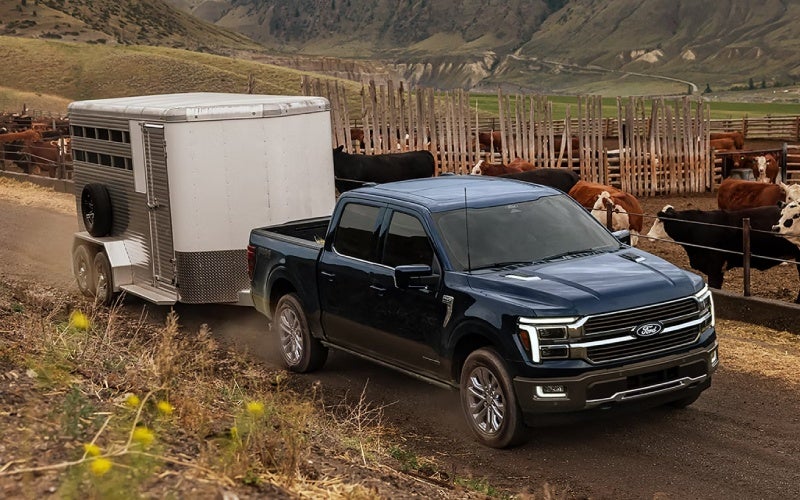
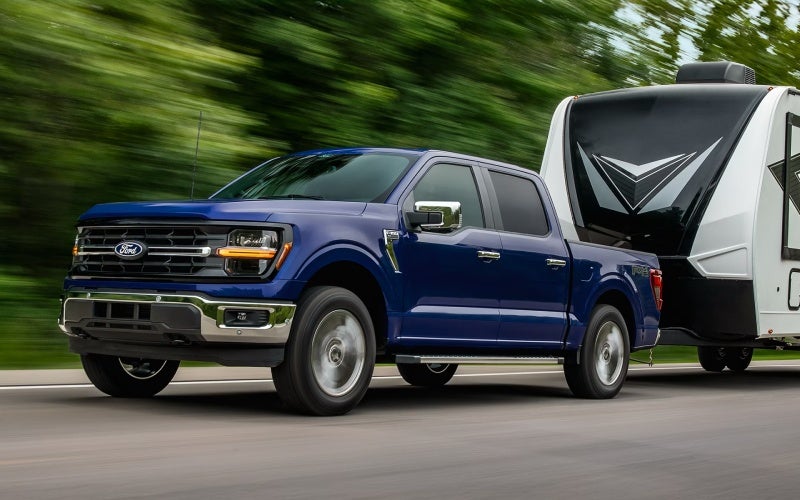
Ford builds its case with breadth and balance. Multiple EcoBoost® V6 options, a muscular 5.0L Ti-VCT V8, and the PowerBoost® Full Hybrid V6 give you a wide range of torque curves to match your trailer. The F-150’s best-in-class available 13,500-lb tow rating is part of the story; the rest is how it tows. Pro Trailer Backup Assist helps you place a trailer precisely. Available Ford BlueCruise can take stress out of the interstate slog before you even reach the mountains. And when the day’s done, available Pro Power Onboard™ turns the truck into a quiet power source so you can run tools at a trailhead or lights at camp without lugging a generator.
How the 2026 Ram 1500 stacks up
The Ram 1500’s newly available Hurricane I6 family is strong and refined, with up to 540 maximum available horsepower in the lineup. Max towing tops out at a solid 11,610 lbs, and Ram backs that up with hands-free driving capability on designated highways and crisp camera views. It’s a confident truck, especially for drivers who value a richly appointed cabin and expansive infotainment screens. Ram’s Trailer Reverse Steering Control is helpful for tight campsites, and its suspension tuning remains one of the most comfortable in the class.
Still, towing isn’t only about peak numbers. It’s about stability, predictability, and how well the truck’s systems support you when grades, switchbacks, and weather combine. Ford’s available two-speed 4WD with locking axle options, robust Tow/Haul calibration, and integrated trailer brake controller deliver that steady, planted feel many mountain drivers want. The PowerBoost® hybrid also adds a layer of low-end electric torque that makes uphill merges and short passing zones feel easier with a load behind you.
Real-world trailer control on mountain roads
Modern towing tech can make or break confidence. Both trucks offer 360-degree camera systems with trailer views, clear digital clusters, and straightforward hitching aids. Where Ford nudges ahead is in its comprehensive integration: Pro Trailer Backup Assist works with the steering and camera views to simplify reversing in tight trailhead lots, and the available Head-Up Display keeps key data in your sightline so you don’t have to look away from the road. The sum of those small advantages—especially the clarity and consistency—adds up when you’re managing speed and line on a downhill grade or backing toward a campsite with rocks on one side and a drop on the other.
Utility at the campsite or job site is another differentiator. With available Pro Power Onboard™, the F-150 can provide inverter-style electricity through multiple outlets in the bed and cab. That can mean air up the bikes, power the tailgate lights, or run a saw without hunting for shore power. Ram offers plenty of cab tech and some outlet availability, but it doesn’t bring the same onboard power capability to its gas lineup.
Key considerations for mountain towing
- Capability balance: Consider not only peak tow ratings but also payload headroom, axle ratios, and how the truck’s drive modes support long climbs and descents.
- Trailer tech: Evaluate clarity of camera views, how intuitive trailer-assist systems feel, and whether the truck helps you avoid overcorrection while backing.
- Stability and braking: Look for integrated trailer brake controllers and how firmly the truck settles under load during abrupt inputs or on uneven pavement.
- Everyday usability: Ask how features like a swing-out tailgate or onboard power affect weekly errands, projects, and weekend departures.
Frequently Asked Questions:
Can the 2026 Ford F-150’s hybrid powertrain tow confidently in the mountains?
Yes. The PowerBoost® Full Hybrid V6 combines a twin-turbo gas engine with an electric motor, delivering strong low-end torque for launching and merging with a trailer. It also supports Pro Power Onboard™, which is especially convenient at campsites or remote job sites.
How do the trucks compare for hitching and reversing with a trailer?
Both offer advanced camera systems and trailer-assist technologies. The F-150 features Pro Trailer Backup Assist to simplify steering inputs, while Ram offers Trailer Reverse Steering Control. In practice, Ford’s integration with its 360-degree camera and clear step-by-step interface makes the F-150 especially approachable for newer towers.
Which is better for balancing daily driving comfort with weekend towing?
Ram’s ride quality is a standout in empty-bed commuting, and Ford’s lineup impresses with powertrain diversity, calm highway manners, and robust trailering aids. If weekend towing is frequent or heavy, the F-150’s higher max tow rating and available hybrid torque give it the edge.
Making your choice locally
For drivers who navigate mountain passes, tight turnarounds, and gravel access roads, the F-150’s towing confidence, integrated tech, and work-friendly features form a compelling case. Asheville Ford can help you test how those tools feel with your kind of trailer and your routes. A short drive that includes both highway and a winding two-lane is often enough to feel the difference in steering, braking, and visibility.
We support owners across Western North Carolina, serving Fletcher, Burnsville, and Candler with guidance on configuration, towing setups, and accessories. When your truck needs to multitask as commuter, family hauler, job-site tool, and weekend tow rig, choosing a model that’s strong and smart in equal measure pays off.