
Asheville Ford - Which SUV’s driver-assist tech makes mountain commuting easier around Burnsville, NC: 2026 Ford Explorer or 2026 Honda Pilot?
What matters most when you commute in the mountains
If your daily drive includes winding grades, fast-forming gaps, and plenty of on-ramps, the right driver-assistance technology is more than a nicety—it’s a way to arrive calmer every day. For families and professionals comparing the Ford Explorer® and Honda Pilot, one of the most common questions we hear is simple: which SUV makes mountain commuting easier around Burnsville, NC? The answer comes down to how each brand approaches assistance, and where those features really shine on the road.
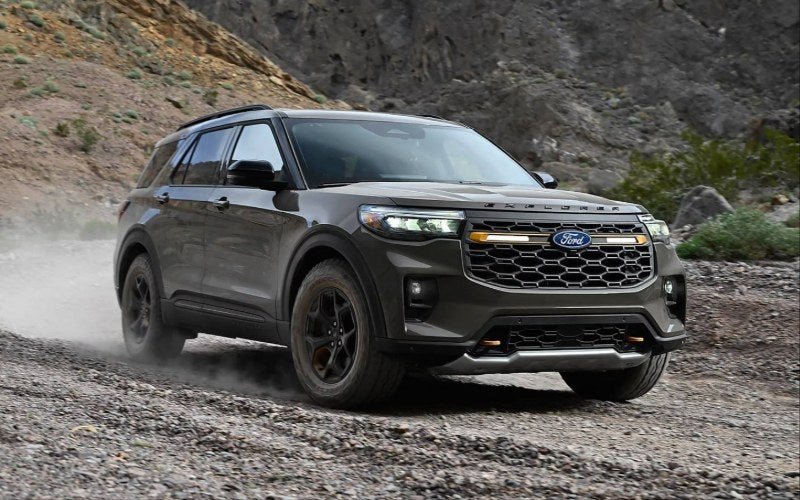
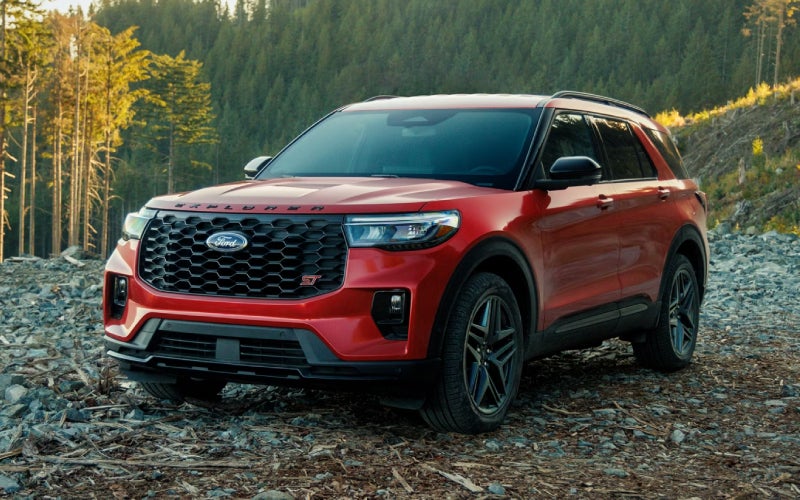
Explorer’s hands-free capability, available as BlueCruise on select trims, stands out immediately. On prequalified highway sections, it helps with steering, braking, and acceleration while you keep your eyes on the road. That means steadier pace management through rolling terrain and fewer micro-corrections when traffic ebbs and flows. Honda Pilot, for its part, offers a comprehensive standard suite—Honda Sensing®—with Adaptive Cruise Control with Low-Speed Follow, Lane Keeping Assist, and more. It’s excellent for easing workload, but it’s not a hands-free system. If your commute frequently stretches between county lines and includes lengthy highway sections, Explorer’s approach can feel like a genuine upgrade in day-to-day ease.
Highway calm meets mountain confidence
Beyond hands-free capability, both SUVs deliver well-rounded confidence. The Explorer® adds available 360-Degree Camera coverage to simplify tight parking at trailheads or downtown lots, and the Ford Co-Pilot360® Assist+ features support active lane management, navigation-linked assistance, and more. Meanwhile, the Honda Pilot’s available Multiview Camera System with TrailWatch™ offers a clear view of obstacles at low speeds, a real help on unpaved pull-offs and campsites. For connectivity, both vehicles integrate wireless smartphone compatibility and robust infotainment, with Explorer featuring the Ford Digital Experience and Pilot offering Google built-in on select trims.
Power and chassis dynamics are part of the safety story, too. Explorer’s rear-wheel-drive architecture gives it balanced handling on curvy roads, while available Intelligent 4WD and selectable drive modes tailor traction for weather and surface changes. If you opt for the available 3.0L EcoBoost® V6, the surge of up to 400 hp provides decisive passing on short straights—important when you need to complete a move before the next bend. The Pilot’s 285-hp V-6 and i-VTM4® AWD system focus on smooth, predictable behavior with confident traction allocation, and its 7-mode drive system on select trims brings flexibility for changing conditions.
Which SUV is better for long I-26 and I-40 stretches?
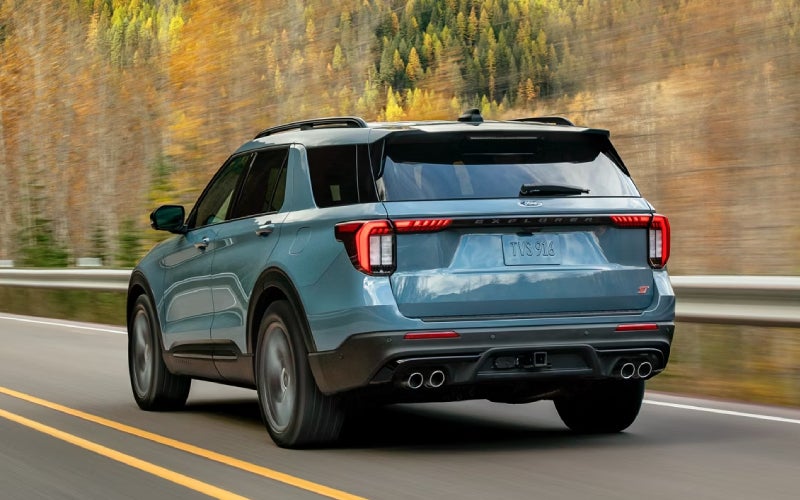
For commuters who regularly clock miles on I-26 or I-40, the Explorer® edge is BlueCruise. Hands-free capability isn’t just a party trick. Over the course of a week, it can reduce the small but constant mental effort of lane centering and speed management, helping you arrive a bit fresher. Pair that with Explorer’s RWD-based poise, and highway miles feel settled and composed. Pilot’s strengths are undeniable—excellent lane keeping, smooth adaptive cruise behavior, and thoughtful alerts—but if hands-free assistance is high on your wish list, Explorer is the only one of the two that offers it.
Practical takeaways for Western NC drivers
- Hands-free highway assistance: Explorer’s BlueCruise on select trims enables hands-free driving on prequalified highways; Pilot’s Honda Sensing® is comprehensive but not hands-free.
- Chassis and traction: Explorer’s RWD foundation with available Intelligent 4WD emphasizes balance and control; Pilot’s i-VTM4® AWD and multiple drive modes target stability and adaptability.
- Vision and maneuvering: Both offer helpful camera tech—Explorer’s available 360-Degree Camera and Pilot’s Multiview Camera System with TrailWatch™—great for tight, uneven parking areas.
If you spend a lot of time on highway stretches or you simply want a calmer drive after a full day, Explorer’s tech package offers a tangible benefit. If your priorities lean toward maximum passenger capacity or you prefer Honda’s interface and camera layout, Pilot remains a solid choice. But for Western NC’s blend of city streets, interstate runs, and scenic detours, Explorer’s assistance and dynamics feel especially well-matched.
Frequently Asked Questions:
Does the Ford Explorer offer hands-free driving?
Yes. BlueCruise is available on select Explorer trims for hands-free driving on prequalified highway sections. You remain attentive with eyes on the road while the system helps with steering, acceleration, and braking.
How does Honda Pilot assist on highways without hands-free capability?
Pilot uses the Honda Sensing® suite, including Adaptive Cruise Control with Low-Speed Follow and Lane Keeping Assist, to reduce workload. It’s helpful and confidence-inspiring but requires hands on the wheel.
Which SUV is better for curvy mountain roads?
Both are capable, but Explorer’s rear-wheel-drive foundation provides a balanced, planted feel, especially in combination with Intelligent 4WD and selectable drive modes. Pilot’s i-VTM4® AWD delivers assured traction and predictable responses.
How we can help you decide
Ultimately, the best way to evaluate driver assistance is to try it on your routes. Our team can set up back-to-back drives so you experience the differences in real time, including hands-free capability, camera visibility, and overall road feel. It’s easier to choose when you can sense how each system supports your driving style.
When you’re ready, visit the experts at Asheville Ford—serving Fletcher, Burnsville, and Candler—for a technology walkthrough and tailored test drive. We’ll help you configure the features that align with your commute and your weekends, so the SUV you take home truly fits your life.