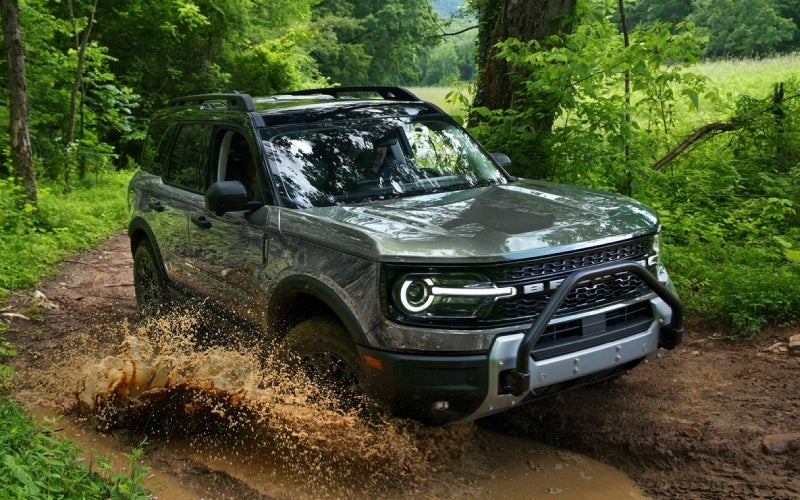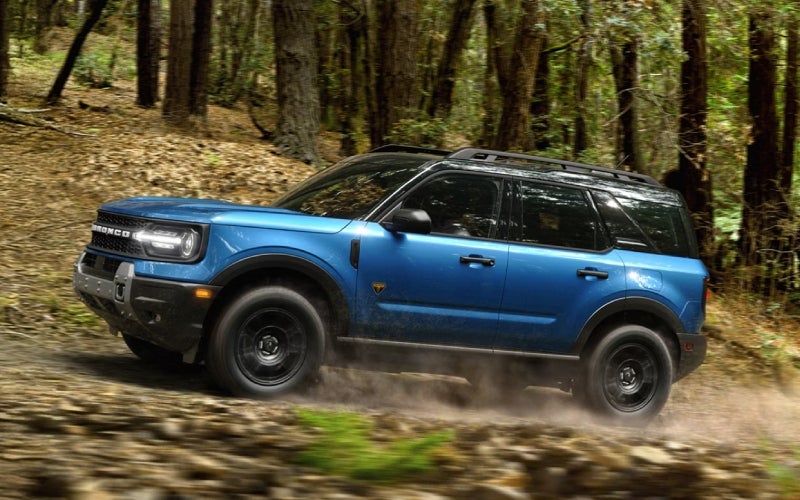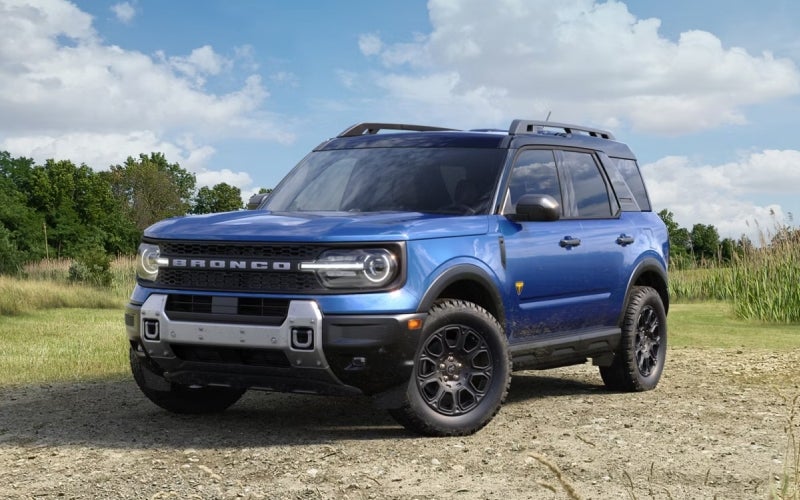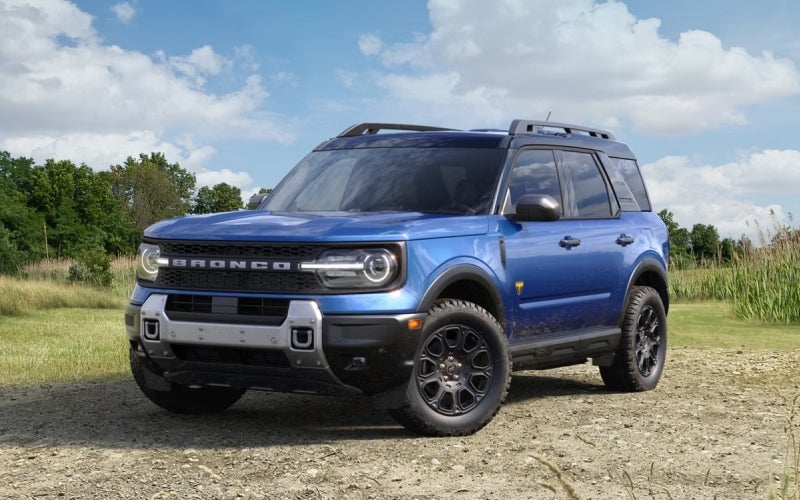

Asheville Ford - Is the 2026 Ford Bronco Sport or Toyota RAV4 the Better SUV for Everyday Adventure near Candler, NC? One of the most common questions compact SUV shoppers ask is whether the 2026 Ford Bronco Sport® or Toyota RAV4 is the better match for daily driving and weekend exploring around Western North Carolina. It is a fair question because both vehicles bring real strengths to the table. The Toyota RAV4 is well known for efficient electrified powertrains, practical cargo space, and a broad trim lineup. The Ford Bronco Sport®, however, stands out for drivers who want their SUV to feel more capable, more rugged, and more connected to the kind of roads and routines found around the mountains. If your week includes commuting, errands, parking in tighter areas, and occasional detours to trailheads, river access points, gravel lanes, or scenic overlooks, the Bronco Sport® makes a compelling case. The key difference is that the Bronco Sport® is not simply styled to look adventurous. It is engineered around that idea. Every model includes standard 4x4 capability, which gives shoppers a built-in advantage instead of requiring a move to a specific drivetrain configuration. Ford also offers G.O.A.T. Modes® Goes Over Any Type of Terrain, HOSS Off-Road Suspension, and, on Badlands®, Advanced 4X4 with a twin-clutch rear drive unit. Those features are meaningful for drivers who want a compact SUV that feels composed when pavement becomes uneven, when a road narrows, or when the route to a favorite recreation spot is less polished than expected. What Matters Most in This Comparison? The right SUV depends on how you plan to use it. If your top priority is electrified efficiency, the RAV4 has a clear point of appeal with its Hybrid and Plug-in Hybrid Electric Vehicle powertrain strategy. Toyota also gives the RAV4 a standard customizable 12.3-inch digital gauge cluster, standard Toyota Safety Sense™ 4.0 (TSS 4.0), and available features such as a 12.9-inch Toyota Audio Multimedia system, Traffic Jam Assist, and Advanced Park. It is a very modern compact SUV, and many drivers will appreciate its smooth, practical nature. Where the Bronco Sport® becomes especially attractive is in its sense of readiness. It has the upright visibility, compact footprint, and utility-minded cabin shoppers expect from a daily SUV, but it also brings hardware that helps when conditions are less predictable. Around Candler, NC, and throughout nearby mountain communities, road surfaces and driving patterns can change quickly. A route may include highway traffic, tight curves, steep neighborhood streets, gravel driveways, and packed parking areas near popular outdoor destinations. The Bronco Sport® is designed to handle that variety without feeling oversized. Why the Bronco Sport® Feels More Adventure-Ready The Bronco Sport® lineup gives shoppers several ways to match the SUV to their lifestyle. Big Bend® delivers the core formula with standard 4x4, a 13.2-inch center display, wireless Apple CarPlay® and Android Auto™ compatibility, and the Ford Connectivity Package included for one year. Heritage adds distinctive style with Oxford White exterior accents, Heritage Bronco® Script side decals, all-terrain tires, and Navy Pier plaid cloth seats. Outer Banks® brings a more upscale feel with premium-trimmed heated front seats and a heated steering wheel, while Badlands® is the capability leader with a 2.0L EcoBoost® engine, Advanced 4X4, a twin-clutch rear drive unit, and additional underbody protection. The RAV4 Woodland trim adds an outdoor-focused personality with all-terrain tires, raised black roof rails with cross bars, and integrated Rigid Industries® LED fog lights. That is a strong configuration, but the broader RAV4 lineup begins from a more efficiency-focused crossover foundation. By contrast, the Bronco Sport® builds its identity around 4x4 confidence from the start. That matters if you want the same SUV to feel easy on a grocery run and confident on the last stretch of road to a campsite, job site, cabin, or hiking area. Standard capability: Every Bronco Sport® model includes 4x4, while RAV4 offers multiple drivetrain choices that include FWD and available AWD. Terrain-focused engineering: G.O.A.T. Modes® Goes Over Any Type of Terrain and HOSS Off-Road Suspension help the Ford feel more prepared for changing surfaces. Trim personality: Big Bend®, Heritage, Outer Banks®, and Badlands® each bring a different balance of comfort, style, and capability. Technology usability: The 13.2-inch center display and wireless smartphone compatibility give the Bronco Sport® a clean, modern command center. How Do the Interiors Compare? Both cabins are modern, but they speak to different priorities. The Toyota RAV4 emphasizes a clean, technology-forward environment with a standard digital gauge cluster, available SofTex®-trimmed seating, available heated and ventilated front seats on select trims, and available JBL® Premium Audio. It is comfortable and practical, especially for shoppers who want a refined crossover with strong everyday versatility. The Bronco Sport® interior feels more like a tool you will actually use. Its upright roofline, confident seating position, practical cargo area, and easy-to-reach controls suit people who carry gear frequently. The available heated front seats and heated steering wheel add comfort, while the available Ford Connectivity Package supports connected navigation, streaming, and hotspot capability. For owners who might place muddy shoes, folded camp chairs, gym bags, pet supplies, or work equipment in the cargo area, the Bronco Sport® has a more rugged, ready-for-real-life personality. Which SUV Is Better for Local Driving? For daily commutes, school drop-offs, errands, and highway drives, both SUVs are easy to live with. The Bronco Sport® has an edge for drivers who like a higher, more squared-off driving perspective and want standard traction confidence every day. The RAV4 may appeal more to drivers who put electrified efficiency at the top of the shopping list. The Bronco Sport® is better suited to someone who wants a compact SUV that encourages a wider range of plans without needing a larger vehicle. That difference becomes more noticeable when you think about real local driving. A driver may commute toward Asheville, visit family across nearby mountain communities, make a home improvement run, and head toward a trail or overlook on the same weekend. Asheville Ford, serving Burnsville, Candler, and Canton, understands that many shoppers do not want separate vehicles for weekday efficiency and weekend freedom. The Bronco Sport® answers that need with a manageable size, standard 4x4, useful technology, and a rugged design that feels natural in the region. Choose Bronco Sport® if: You want standard 4x4, a rugged interior, trail-inspired engineering, and a more distinctive SUV personality. Consider RAV4 if: You prioritize electrified powertrain choices, a smooth crossover feel, and a technology-rich Toyota cabin. Test drive both if: You are balancing efficiency, capability, comfort, and long-term everyday use. Frequently Asked Questions: Is the Bronco Sport® better than the RAV4 for rough roads? For many shoppers, yes. The Bronco Sport® offers standard 4x4, available Advanced 4X4 with a twin-clutch rear drive unit, G.O.A.T. Modes® Goes Over Any Type of Terrain, and HOSS Off-Road Suspension. Those features make it feel more purpose-built for rougher road surfaces than a conventional crossover. Does the Toyota RAV4 have advantages over the Bronco Sport®? Yes. The RAV4 has a strong electrified lineup, useful cargo capacity, available premium technology, and Toyota Safety Sense™ 4.0 (TSS 4.0). It is a smart choice for shoppers who prioritize hybrid performance and everyday crossover comfort. Which SUV has the more rugged personality? The Bronco Sport® has the more rugged personality. Its standard 4x4 system, Bronco-inspired design, available underbody protection, available all-terrain tires, and capability-oriented trims make it feel more adventurous from the start. Which one should I test drive first? If you want an SUV that blends daily comfort with standard 4x4 confidence and authentic outdoor capability, test drive the Bronco Sport® first. It gives you a clear sense of what makes Ford’s compact adventure SUV different from the typical compact crossover. The final answer depends on your priorities, but for shoppers who want one compact SUV that can handle commutes, errands, passengers, cargo, and spontaneous side roads with confidence, the Bronco Sport® is the stronger fit. The RAV4 remains a respected choice, especially for hybrid-focused buyers, yet the Ford offers a more compelling blend of standard capability, utility, and character. Around mountain communities where driving is rarely one-dimensional, that extra confidence is not just nice to have. It can shape how much you enjoy the vehicle every day. Request more 2026 Ford Bronco Sport information