
Blog

All Asheville Ford Dealer Ford Explorer Ford Dealer Ford Expedition Asheville, NC Ford Bronco Sport Ford F-150 Ford Transit Ford Bronco Ford Maverick Ford Super Duty F-250 Asheville Ford Service Ford Super Duty F-350 Asheville Used Cars Ford Escape
Is the 2026 Ford Escape a better compact SUV for daily driving around Candler, NC than the Subaru Forester?

Is the 2026 Ford Escape a better compact SUV for daily driving around Candler, NC than the Subaru Forester?

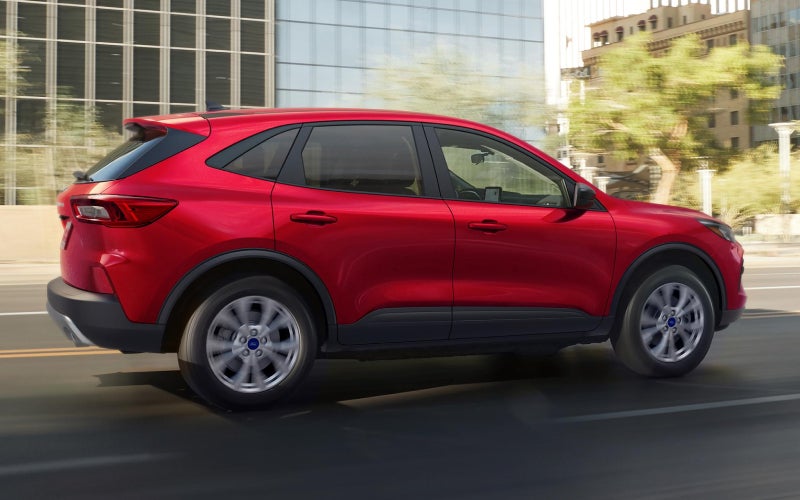
Asheville Ford - Is the 2026 Ford Escape a better compact SUV for daily driving around Candler, NC than the Subaru Forester? For many compact-SUV shoppers, the question is not simply which vehicle has the most rugged image or the biggest spec-sheet number. The better question is which SUV fits daily life with fewer compromises. Around Candler, NC, that can mean a morning drive toward Asheville, an afternoon of errands, a run along Smokey Park Highway, or a weekend trip that includes curvy roads and quick elevation changes. In that kind of mixed routine, the 2026 Ford Escape makes a very strong case against the Subaru Forester because it gives drivers more powertrain flexibility, a highly approachable cabin, and technology that feels easy from day one. The Subaru Forester is a respected compact SUV, especially for shoppers who prioritize standard Subaru Symmetrical All-Wheel Drive, 8.7 inches of ground clearance on most trims, and available dual-function X-MODE®. Those strengths are real. However, the Escape is the more versatile fit for many drivers because it does not lock every buyer into one basic powertrain formula. Instead, it offers turbocharged gas power, available hybrid capability, and available plug-in hybrid capability. That matters because not every household uses an SUV the same way. Some drivers want confident acceleration for merging onto I-40. Others want hybrid smoothness for daily commuting. Some want the ability to complete shorter trips with electric-only driving when properly charged. The Escape provides those options in one compact SUV family. Why powertrain choice matters in a compact SUV The Forester uses a 2.5-liter SUBARU BOXER® 4-cylinder engine rated at 180 horsepower and 178 lb-ft of torque. It is paired with a Lineartronic® CVT and standard all-wheel drive, creating a familiar Subaru driving experience. For some drivers, that is enough. The Escape, however, offers a broader range of personalities. The available 2.0-liter EcoBoost® engine is rated at 250 horsepower, which gives the Escape a clear advantage for shoppers who want stronger passing power or a more responsive feel. Ford also offers hybrid and plug-in hybrid choices, including a plug-in hybrid system rated at 210 horsepower and an estimated 37 miles of electric-only driving on a full charge. That variety helps answer the daily-driving question directly. If your routine includes short local trips, school drop-offs, grocery runs, and office commuting, an electrified Escape can be a smart fit. If your routine includes more highway driving or frequent merging in busy traffic, a turbocharged Escape may feel more confident. With the Forester, the decision is simpler, but it is also less customizable. The Escape lets shoppers choose the version that best supports their actual driving habits. Technology is one of the Escape’s biggest advantages Modern drivers expect their SUV to connect quickly, respond clearly, and keep essential controls easy to understand. This is an area where the Escape stands out. Edmunds highlights the Escape’s user-friendly infotainment system, easy-to-use controls, and strong smartphone integration. Wireless Apple CarPlay® and Android Auto™ are standard across the Escape lineup, which is a meaningful convenience for drivers who do not want to plug in every time they start the vehicle. The available 13.2-inch center touchscreen and available 12.3-inch digital instrument cluster also give the cabin a clean, current feel. The Forester offers its own technology strengths, including an available 11.6-inch high-resolution touchscreen, available wireless Apple CarPlay® and Android Auto™ integration, available wireless device charging, and available MySubaru® Connected Services. Still, some of those features depend on trim selection. The Escape’s standard wireless smartphone integration gives Ford shoppers a simpler starting point. For a driver moving between music, navigation, calls, and messages throughout the day, that convenience quickly becomes part of the reason the Escape feels easier to live with. Connectivity: The Escape includes standard wireless Apple CarPlay® and Android Auto™, while the Forester offers wireless integration on trims with the larger multimedia system. Display options: The Escape offers an available 13.2-inch touchscreen, which is larger than the Forester’s available 11.6-inch screen. Everyday usability: The Escape’s controls and infotainment layout are praised for being straightforward and quick to learn. Comfort, space, and everyday practicality Subaru promotes the Forester as a spacious SUV, and it does offer generous passenger volume, an airy cabin, and up to 74.4 cubic feet of maximum cargo space on select configurations. Its extra-wide rear gate opening and 60/40-split flat-folding rear seatbacks are useful for gear, luggage, and bulky items. If maximum cargo volume is the top priority, the Forester deserves consideration. However, the Escape is also practical, and it brings a different kind of advantage: comfort and day-to-day simplicity. Edmunds notes that the Escape has roomy and comfortable seating, a smooth ride, and a functional cabin layout. That comfort can matter just as much as cargo measurements. A compact SUV may carry luggage a few times a month, but it carries people every day. The Escape’s front seats are well shaped, the rear seat area is adult-friendly, and the ride remains smooth around town and on the highway. Interior storage is also well considered, with useful cubbies, sizable door pockets, and cupholders designed with anti-tip tabs. For families, easily accessible car-seat anchors and tethers help make daily routines less frustrating. The Forester is roomy, but the Escape feels especially tuned for easy, comfortable use. How the Escape compares for confidence and safety Both Ford and Subaru put meaningful safety technology into these SUVs. The Forester includes standard EyeSight® Driver Assist Technology, which includes features such as Pre-Collision Braking and Adaptive Cruise Control. Available systems include Automatic Emergency Steering, Blind-Spot Detection with Lane Change Assist and Rear Cross-Traffic Alert, Reverse Automatic Braking, DriverFocus® Distraction Mitigation System, and a 360-Degree Surround View Monitor on Touring. Subaru’s safety story is strong and familiar. The Escape responds with a broad set of confidence-building features, including Ford Co-Pilot360® technology, available adaptive cruise control features, BLIS® with Cross-Traffic Alert, Lane-Keeping System, Pre-Collision Assist with Automatic Emergency Braking, a rear-view camera, and available 360-Degree Camera capability. Edmunds also notes that the Escape’s driving aids work well, especially its lane centering behavior on the highway. For people who regularly drive between Candler, Asheville, and nearby communities, smooth and predictable driver-assist behavior can make a meaningful difference. Look at your daily route: If highway merging, town driving, and short errands are all part of the routine, the Escape’s powertrain choices are especially useful. Consider your technology expectations: If wireless smartphone integration matters, the Escape makes that feature standard. Think beyond one capability trait: Standard all-wheel drive is appealing, but powertrain variety, comfort, and infotainment usability may matter more every day. Which SUV should shoppers choose? If your top requirement is standard all-wheel drive on every trim, the Forester has an obvious advantage. But if you are looking for the more flexible compact SUV overall, the Escape is the stronger recommendation. It can be configured for responsive turbocharged performance, hybrid efficiency, or plug-in hybrid capability. It offers standard wireless smartphone integration, available large-screen technology, a smooth ride, comfortable seating, and practical storage. Those qualities make it a smart fit for shoppers who want one SUV that can handle commuting, errands, family needs, and weekend plans without feeling overly specialized. At Asheville Ford, serving Fletcher, Burnsville, and Candler, we see the Escape as the better match for many Western North Carolina drivers because it gives buyers more ways to get exactly what they want. The Forester is capable, but the Escape is more adaptable. For shoppers comparing these two SUVs, the best next step is to focus on daily use: how the vehicle feels in traffic, how easily the technology works, how confidently it accelerates, and how well it supports the way you actually drive. Frequently Asked Questions: Is the Ford Escape more powerful than the Subaru Forester? It can be. The Forester uses a 180-horsepower 2.5-liter SUBARU BOXER® engine, while the Escape offers an available 2.0-liter EcoBoost® engine rated at 250 horsepower. That gives the Escape a clear advantage for shoppers who want stronger acceleration. Does the Subaru Forester have standard all-wheel drive? Yes. The Forester includes standard Subaru Symmetrical All-Wheel Drive. The Escape offers available all-wheel drive, allowing shoppers to choose it when traction confidence is a priority while still keeping other powertrain choices open. Which SUV has better technology for daily driving? The Escape has a strong advantage for many shoppers because wireless Apple CarPlay® and Android Auto™ are standard, and an available 13.2-inch touchscreen gives the cabin a modern, easy-to-use interface. Why might a driver choose the Escape over the Forester? The Escape offers more powertrain variety, including turbocharged gas, hybrid, and plug-in hybrid options. It also provides standard wireless smartphone integration, a comfortable ride, and available advanced driver-assist technology that works well in everyday use. Request more 2026 Ford Escape information
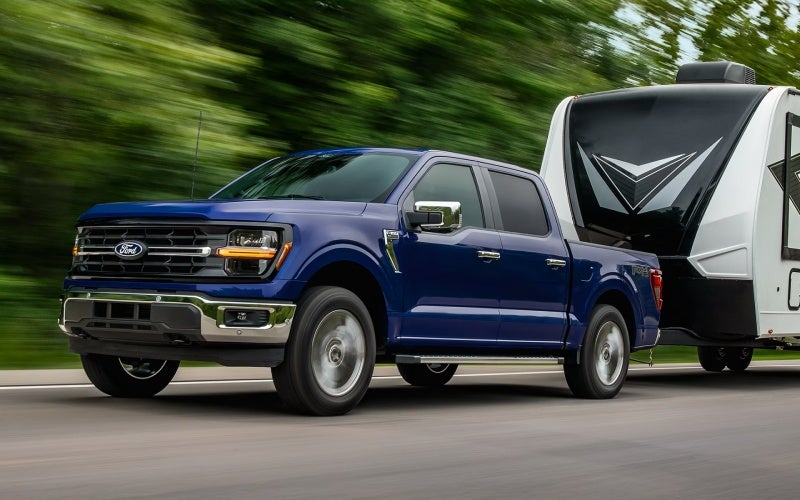
How Pro Access Tailgate and Bed Configurations Make the 2026 Ford F-150 Work Harder Around Burnsville, NC

How Pro Access Tailgate and Bed Configurations Make the 2026 Ford F-150 Work Harder Around Burnsville, NC

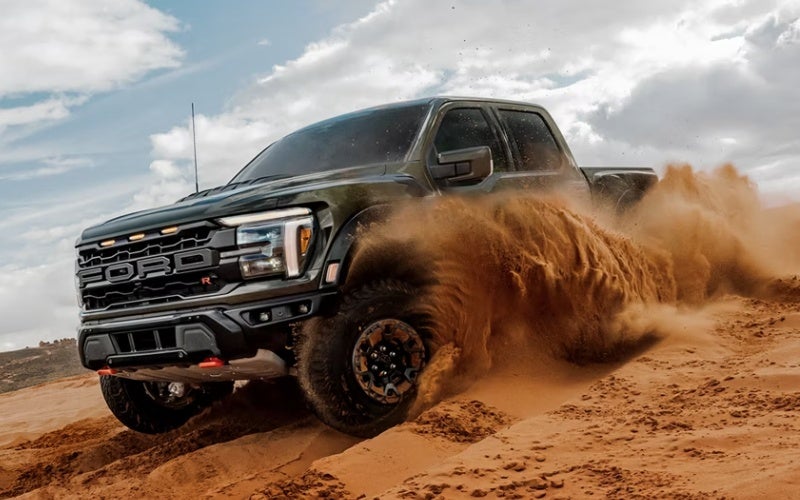
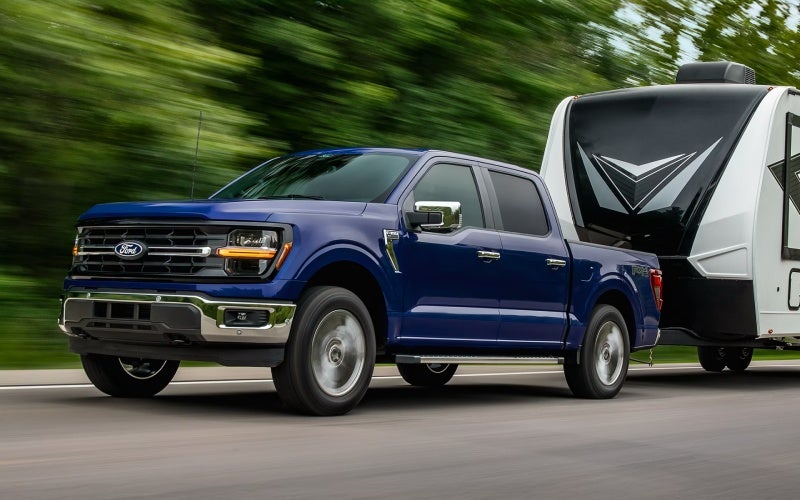
Asheville Ford - How Pro Access Tailgate and Bed Configurations Make the 2026 Ford F-150 Work Harder Around Burnsville, NC The 2026 Ford F-150® brings meaningful upgrades where it matters most—where you load, lift, and live out of your truck. Around Burnsville, NC, where a single day may include a supply run on US-19E, a jobsite visit, and an evening stop by a trailhead, the available Pro Access Tailgate and thoughtful bed configurations make a measurable difference. This is more than clever hardware; it is time saved and strain reduced, day after day. What Pro Access Tailgate Does Differently Traditional tailgates make you reach or climb. The available Pro Access Tailgate on the 2026 F-150® swings out up to 100 degrees to bring you closer to the bed—up to 19 inches closer. That small detail has a big impact when you are moving toolboxes, coolers, or lumber, particularly if the truck is hitched to a trailer. In Burnsville’s tighter parking lots or driveway angles, being able to open the tailgate without fully dropping it is simply practical. There is also a pace and rhythm to jobs that this tailgate respects. Instead of climbing or leaning over, you step in, grab what you need, and go. It improves leverage, reduces awkward posture, and helps keep you moving. Whether you are unloading seed bags at a homestead near South Toe or staging camping gear before heading out toward Mount Mitchell, that extra reach is a genuine quality-of-life upgrade. Choosing the Right Bed Length for Burnsville Life Your truck bed does more than hold cargo—it shapes how your F-150® fits local roads, jobsites, and weekend fun. The lineup offers bed lengths of 5.5, 6.5, and 8.0 feet, depending on cab configuration. Around Burnsville, many drivers favor a SuperCrew® with the 5.5-foot bed for everyday agility and garage fit, while trades and project-focused owners often step up to the 6.5-foot bed for added sheet goods, tool chests, or ATV ramps. For maximum surface area and stake-pocket customization, the 8.0-foot bed remains the workhorse favorite with Regular Cab and select SuperCab® setups. Factor in your towing routine, too. If you frequently hook up a utility trailer or camper for Pisgah National Forest weekends, pairing a balanced wheelbase and bed length helps stability and maneuverability on winding approaches. When in doubt, take a few test drives on familiar Burnsville stretches to feel the turning radius, sightlines, and parking ease of each configuration. Bed Organization That Pays Off The best bed is the one you set up with a plan. Consider these essentials to keep your 2026 F-150® ready for whatever the day brings: Tie-down strategy: Map out anchor points for ladders, lumber, coolers, and crates to prevent shifting on curvy mountain roads. Bed protection: A liner or mat can reduce skid and protect the surface when hauling masonry or treated lumber. Lighting: Use Zone Lighting to illuminate the perimeter for night tasks or pre-dawn gear loads. Access tools: A collapsible step and grab handle pair well with the Pro Access Tailgate for quick in-and-out work. Over time, an organized bed saves minutes on every stop and reduces fatigue from repeated lifting and re-positioning. That adds up during a long Burnsville workday. Inside the cab, the available Interior Work Surface complements your bed setup by giving you a flat space for a laptop, invoices, or route planning. Stow the shifter, fold out the surface, and get paperwork done while parked between visits—no balancing act required. Why Power Matters at the Bed The available Pro Power Onboard™ system turns the F-150® into a mobile generator. For Burnsville-area jobsites without easy electrical access—or tailgate gatherings where you want a griddle and speakers—having power on tap is a game-changer. Instead of relying on separate generators, you plug in and get to work or relax. That kind of self-sufficiency pairs beautifully with rural and mountain living. Power at the bed also cuts setup time and clutter. Tools charge in transit, lights plug in when the sun drops, and you are not scheduling your day around outlet availability. It is capability that adapts to you, not the other way around. Trailering When Space Is Tight When you are hitched—whether it is a utility trailer with a mower deck or a camper headed into the Black Mountains—every inch matters. The Pro Access Tailgate’s outward swing keeps the bed usable for loading and unloading while the trailer is connected. You do not need to unpin or shift the trailer coupler just to grab a toolbox, which means less hassle on narrow driveways or crowded trailhead lots. Pair that with the available 360-Degree Camera for enhanced visibility when you are aligning a trailer or easing into a tight spot. Reduced guesswork means fewer second attempts and more time headed where you want to go. Frequently Asked Questions: Can I open the Pro Access Tailgate when a trailer is connected? Yes. The Pro Access Tailgate is designed to swing open even when you are hitched, so you can reach deeper into the bed without disconnecting your trailer. Which bed length is best for Burnsville roads and parking? If you park in garages or navigate tighter downtown areas, a 5.5-foot bed on a SuperCrew® balances space and agility. For more cargo flexibility, the 6.5-foot bed offers added room without feeling unwieldy. The 8.0-foot bed is ideal for maximum surface area, typically with Regular Cab or select SuperCab® configurations. Does Pro Power Onboard™ replace a jobsite generator? For many tasks, yes. The available Pro Power Onboard™ system provides practical output to run tools and devices at the bed. Power needs vary by job, so plan loads accordingly. How does bed layout impact towing? Bed length and wheelbase influence stability and turning radius. A well-matched setup helps with trailer tracking on curvy approaches and keeps maneuvering manageable in tight spaces. Set up correctly, the 2026 Ford F-150® becomes a real partner for life in Burnsville—from tight in-town turns to weekend hauls into the mountains. If you want hands-on help configuring the right bed and cab, we are happy to walk through options and test them on your typical routes. That way, what looks good on paper also feels right behind the wheel. Asheville Ford is proud to be serving Burnsville, Candler, and Canton with guidance that fits your roads, your projects, and your weekends. Request more 2026 Ford F-150 information

Tow-Ready Confidence - How the 2027 Ford Expedition Makes Hauling Boats and Campers Easier around Canton, NC

Tow-Ready Confidence - How the 2027 Ford Expedition Makes Hauling Boats and Campers Easier around Canton, NC

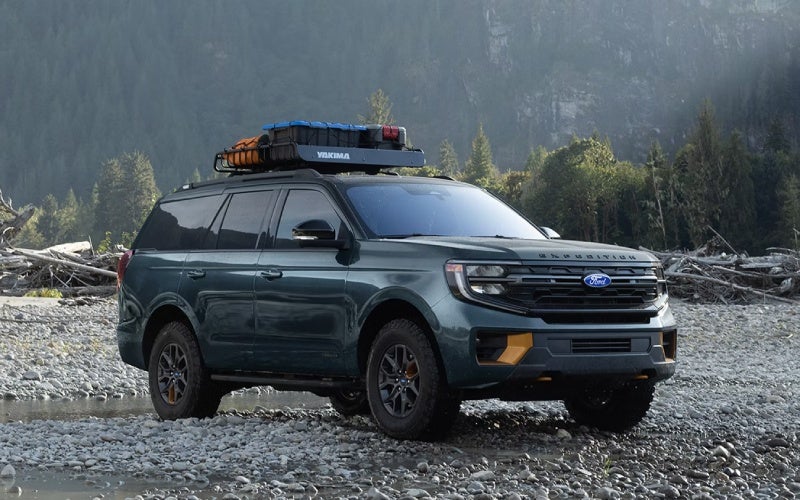
Asheville Ford - Tow-Ready Confidence - How the 2027 Ford Expedition Makes Hauling Boats and Campers Easier around Canton, NC When you tow around Western North Carolina, you feel every grade, curve, and crosswind. The 2027 Ford Expedition® was engineered to make that experience calmer and more controlled. With up to 9,600 pounds of max towing capacity on select properly equipped 4x4 models and a pair of strong EcoBoost® V6 options, this full-size SUV has the backbone to move what matters—without feeling strained in real-world traffic. In and around Canton, NC, that matters. Local hauls often involve winding canyon roads, rolling terrain, and short on-ramps. The Expedition’s torque-rich 3.5L EcoBoost engines deliver confident pull from low rpm, while its driver-assist systems help take the tension out of hitching, backing, and lane management. If towing has ever felt like a two-person puzzle, Expedition’s technology turns it into a repeatable routine you can handle with ease. Powertrains That Work As Hard As You Do The standard 400-horsepower 3.5L EcoBoost V6 is a standout for mixed daily driving and weekend towing. It brings brisk acceleration for merging onto I-40 and steady passing power. If your setup runs heavier—think dual-axle campers or larger boats—step up to the available 440-horsepower High-Output 3.5L EcoBoost V6 on select models. The extra headroom makes steep grades and highway crosswinds less dramatic, especially when you’re fully loaded for a long trip. Selectable Drive Modes further tailor the Expedition’s behavior. Whether you’re pulling out from a steep driveway, navigating a gravel launch, or stabilizing through a descending curve, the vehicle’s on-board logic helps match throttle, shifting, and traction control to the situation. It’s a behind-the-scenes advantage you notice in how settled the SUV feels with a trailer attached. Trailering Tech That Makes Hard Tasks Feel Easy Anyone who has struggled to line up a hitch by themselves will appreciate Pro Trailer Hitch Assist™. This feature helps you align your ball and coupler with guided prompts—no more hopping in and out of the driver’s seat or relying on improvised hand signals. Once you’re connected, Pro Trailer Backup Assist™ helps you reverse with more confidence. You steer with a simple dial to guide the trailer where you want it to go, and the system helps manage steering inputs. Add a mix of mirrors and camera views, and formerly tricky maneuvers become controlled, methodical steps. Adaptive Cruise Control, part of Ford Co-Pilot360® Assist 2.0, adds another layer of assurance on longer towing days. Lock in a set speed and following distance, and let the system smooth out traffic slowdowns—while you keep your attention where it belongs. When fatigue and focus matter most, these supportive tools create a calmer cabin and a safer trip. Interior Space That Supports the Whole Trip Trailering is about more than a strong pull. It’s also about where the family sits, how gear is organized, and what the cockpit feels like on hour three. The 2027 Expedition’s 24-inch panoramic display and 13.2-inch center display give you an intuitive, configurable interface, so you can keep navigation, towing apps, and camera views front-and-center. The Ford Digital Experience curates your favorite apps and maps in a driver-friendly layout that cuts clutter when you need clarity. If you select the Expedition MAX, the 102.2-inch cargo length opens up your packing options in a big way. Longer coolers, folded canopies, rods, paddles—there’s room for the gear that usually ends up awkwardly wedged between seats. Open On Approach tailgate access and the Cargo Tailgate Manager mean less time rummaging and more time enjoying the day, especially when you’re shuttling between a boat ramp and a campsite. Off-Pavement Readiness with Tremor® For Canton-area drivers who mix towing with trail access, the Expedition Tremor® adds equipment made for uneven paths. Its 33-inch all-terrain tires deliver traction on gravel and dirt, while a 3.73 electronic-locking differential helps you maintain momentum when a surface gets loose or uneven. Rock Crawl mode is there when the path turns technical. It’s confidence you can feel whether you’re easing a trailer down to a rustic launch or exploring forest service roads after you unhook. Why Hands-Free Helps on Long Highways Available Ford BlueCruise transforms long highway stretches into lower-stress transit. In designated Blue Zones across the U.S. and Canada, it enables hands-free driving under proper conditions while you keep your eyes on the road. On a long pull out to the coast or an all-day return from the mountains, that change in workload can make a real difference in how fresh you feel when you arrive. Pair it with Adaptive Cruise Control and the Expedition begins to feel like a supportive co-pilot, not just a capable tow vehicle. What To Look For During Your Test Drive Hitching flow: Try Pro Trailer Hitch Assist™ to see how easily you can connect solo. Backing control: Use Pro Trailer Backup Assist™ in a lot to feel the steering dial in action. Cabin visibility: Toggle camera and display views to check blind spots with a trailer. Grade response: Drive a hilly route and evaluate engine braking, stability, and throttle feel. Packing options: If possible, load sample gear into the standard and MAX to compare fit. Frequently Asked Questions: How much can the 2027 Ford Expedition tow? Select 4x4 models, when properly equipped with the Heavy-Duty Trailer Tow Package, can tow up to 9,600 pounds. Which engine is best for towing? Both EcoBoost® V6 options are strong. The available 440-horsepower High-Output 3.5L EcoBoost V6 provides added headroom for heavier trailers and steep grades. What makes Pro Trailer Backup Assist™ useful? It turns a complex, counterintuitive backing task into a simpler, more predictable process using a steering dial—great for tight ramps and campgrounds. Is Ford BlueCruise helpful for towing? Available Ford BlueCruise can reduce fatigue on long highway drives in designated Blue Zones. When towing, that smoother workload can make extended trips feel less tiring. Should I choose the Expedition MAX for towing? If you carry longer gear or need extra cargo room in addition to towing, the MAX’s 102.2-inch cargo length is a real advantage. Towing puts your vehicle’s entire system to the test. With the 2027 Expedition, power, control, and thoughtful tech come together to make trailering feel less like a chore and more like a natural part of your life. If Canton is your starting point—and your adventures often involve a trailer—the Expedition belongs at the top of your list. Visit us to compare engines, try the trailering features, and find your ideal configuration. Asheville Ford is proudly serving Burnsville, Candler, and Canton with guidance that reflects our local roads and how our customers really drive. Request more 2027 Ford Expedition information

Which full-size truck handles mountain towing better around Burnsville, NC — the 2026 Ford F-150 or the 2026 Ram 1500?

Which full-size truck handles mountain towing better around Burnsville, NC — the 2026 Ford F-150 or the 2026 Ram 1500?

Asheville Ford - Which full-size truck handles mountain towing better around Burnsville, NC — the 2026 Ford F-150 or the 2026 Ram 1500? Choosing a full-size pickup for life in Western North Carolina usually starts with one question: which truck feels more composed when towing up and down steep grades? If you’re comparing the 2026 Ford F-150 and the 2026 Ram 1500, both bring serious muscle and a long list of trailering tech. The differences show up when you crest a ridge with a loaded trailer, point the nose downhill, and need smooth control without drama. Ford builds its case with breadth and balance. Multiple EcoBoost® V6 options, a muscular 5.0L Ti-VCT V8, and the PowerBoost® Full Hybrid V6 give you a wide range of torque curves to match your trailer. The F-150’s best-in-class available 13,500-lb tow rating is part of the story; the rest is how it tows. Pro Trailer Backup Assist helps you place a trailer precisely. Available Ford BlueCruise can take stress out of the interstate slog before you even reach the mountains. And when the day’s done, available Pro Power Onboard™ turns the truck into a quiet power source so you can run tools at a trailhead or lights at camp without lugging a generator. How the 2026 Ram 1500 stacks up The Ram 1500’s newly available Hurricane I6 family is strong and refined, with up to 540 maximum available horsepower in the lineup. Max towing tops out at a solid 11,610 lbs, and Ram backs that up with hands-free driving capability on designated highways and crisp camera views. It’s a confident truck, especially for drivers who value a richly appointed cabin and expansive infotainment screens. Ram’s Trailer Reverse Steering Control is helpful for tight campsites, and its suspension tuning remains one of the most comfortable in the class. Still, towing isn’t only about peak numbers. It’s about stability, predictability, and how well the truck’s systems support you when grades, switchbacks, and weather combine. Ford’s available two-speed 4WD with locking axle options, robust Tow/Haul calibration, and integrated trailer brake controller deliver that steady, planted feel many mountain drivers want. The PowerBoost® hybrid also adds a layer of low-end electric torque that makes uphill merges and short passing zones feel easier with a load behind you. Real-world trailer control on mountain roads Modern towing tech can make or break confidence. Both trucks offer 360-degree camera systems with trailer views, clear digital clusters, and straightforward hitching aids. Where Ford nudges ahead is in its comprehensive integration: Pro Trailer Backup Assist works with the steering and camera views to simplify reversing in tight trailhead lots, and the available Head-Up Display keeps key data in your sightline so you don’t have to look away from the road. The sum of those small advantages—especially the clarity and consistency—adds up when you’re managing speed and line on a downhill grade or backing toward a campsite with rocks on one side and a drop on the other. Utility at the campsite or job site is another differentiator. With available Pro Power Onboard™, the F-150 can provide inverter-style electricity through multiple outlets in the bed and cab. That can mean air up the bikes, power the tailgate lights, or run a saw without hunting for shore power. Ram offers plenty of cab tech and some outlet availability, but it doesn’t bring the same onboard power capability to its gas lineup. Key considerations for mountain towing Capability balance: Consider not only peak tow ratings but also payload headroom, axle ratios, and how the truck’s drive modes support long climbs and descents. Trailer tech: Evaluate clarity of camera views, how intuitive trailer-assist systems feel, and whether the truck helps you avoid overcorrection while backing. Stability and braking: Look for integrated trailer brake controllers and how firmly the truck settles under load during abrupt inputs or on uneven pavement. Everyday usability: Ask how features like a swing-out tailgate or onboard power affect weekly errands, projects, and weekend departures. Frequently Asked Questions: Can the 2026 Ford F-150’s hybrid powertrain tow confidently in the mountains? Yes. The PowerBoost® Full Hybrid V6 combines a twin-turbo gas engine with an electric motor, delivering strong low-end torque for launching and merging with a trailer. It also supports Pro Power Onboard™, which is especially convenient at campsites or remote job sites. How do the trucks compare for hitching and reversing with a trailer? Both offer advanced camera systems and trailer-assist technologies. The F-150 features Pro Trailer Backup Assist to simplify steering inputs, while Ram offers Trailer Reverse Steering Control. In practice, Ford’s integration with its 360-degree camera and clear step-by-step interface makes the F-150 especially approachable for newer towers. Which is better for balancing daily driving comfort with weekend towing? Ram’s ride quality is a standout in empty-bed commuting, and Ford’s lineup impresses with powertrain diversity, calm highway manners, and robust trailering aids. If weekend towing is frequent or heavy, the F-150’s higher max tow rating and available hybrid torque give it the edge. Making your choice locally For drivers who navigate mountain passes, tight turnarounds, and gravel access roads, the F-150’s towing confidence, integrated tech, and work-friendly features form a compelling case. Asheville Ford can help you test how those tools feel with your kind of trailer and your routes. A short drive that includes both highway and a winding two-lane is often enough to feel the difference in steering, braking, and visibility. We support owners across Western North Carolina, serving Fletcher, Burnsville, and Candler with guidance on configuration, towing setups, and accessories. When your truck needs to multitask as commuter, family hauler, job-site tool, and weekend tow rig, choosing a model that’s strong and smart in equal measure pays off. Request more 2026 Ford F-150 information

Which SUV handles mountain back roads better around Fletcher, NC, the 2026 Ford Bronco Sport or the 2026 Jeep Compass?

Which SUV handles mountain back roads better around Fletcher, NC, the 2026 Ford Bronco Sport or the 2026 Jeep Compass?

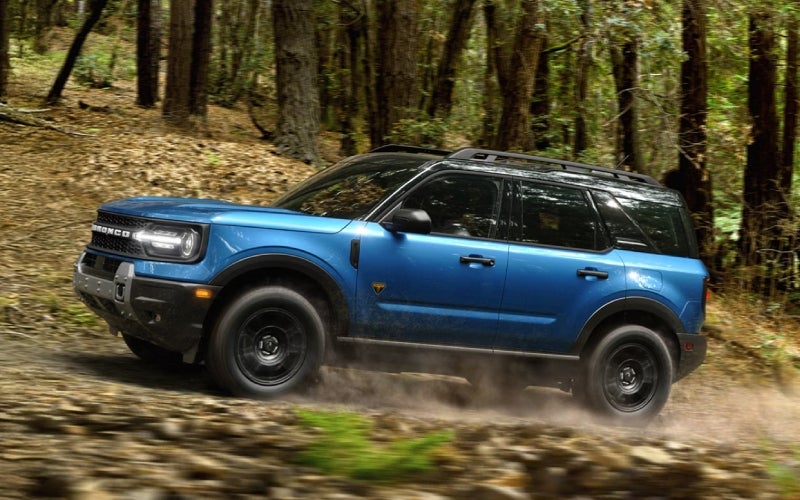
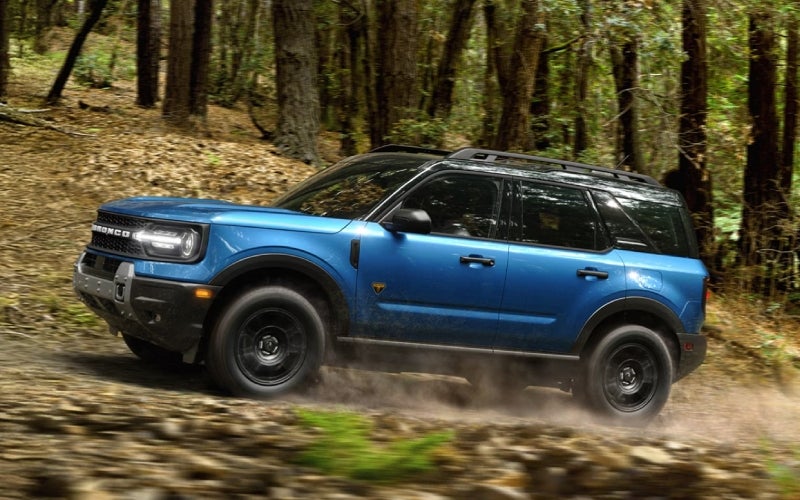
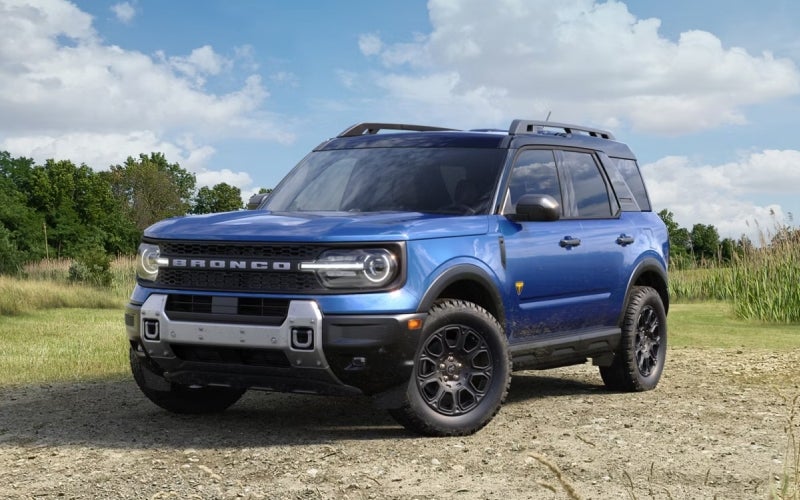
Asheville Ford - Which SUV handles mountain back roads better around Fletcher, NC, the 2026 Ford Bronco Sport or the 2026 Jeep Compass? Start with the fundamentals: traction you can count on When shoppers ask which compact SUV feels more planted on wet, steep, and twisty back roads, we look closely at hardware and how each system makes traction seamless. Both the 2026 Ford Bronco Sport® and the 2026 Jeep® Compass come standard with 4x4 and smart drive modes. Ford’s G.O.A.T. Modes® adjust throttle response, shift strategy, and traction mapping to the surface, and on Badlands® models, the advanced twin-clutch rear drive unit can direct nearly all available rear-axle torque to either wheel. That’s a major confidence booster when one side unloads over a rut or slick rock ledge. Jeep® Compass answers with Selec-Terrain® and, on Trailhawk®, Rock Mode and Jeep Active Drive Low, which brings a 20:1 crawl ratio for measured control. It’s a capable setup, especially when paired with Falken® WILDPEAK® A/T tires. The practical difference is how quickly each system adapts when grip changes mid-corner; Ford’s torque-vectoring rear end helps the Bronco Sport® rotate and dig in without relying as heavily on brake-based interventions. Momentum control is just as important as raw traction. Here, the Bronco Sport® Badlands® adds Trail Control, a low-speed off-road cruise control that manages throttle and braking on descents and technical sections so you can focus on steering. Jeep® Compass brings Hill Descent Control, which is helpful, but it’s not the same as a full-featured off-road cruise system. If you spend weekends nosing down forest service roads to a trout stream or climbing a rutted spur to a trailhead, the Ford system’s smoothness translates into less stress and more consistency. On paved mountain switchbacks, the Ford’s torque-vectoring rear hardware also contributes to composure and confidence. Cabin tech that keeps you connected, not distracted Visibility, interface clarity, and intuitive controls matter on winding, tree-lined byways. Bronco Sport®’s 13.2-inch center display provides large, legible mapping and clean menus. Wireless Apple CarPlay® and Android Auto™ are included, and the Ford Connectivity package brings a Wi-Fi® hotspot for a year, which is helpful when your crew needs data while you’re parked at a trailhead. Jeep® Compass offers a crisp 10.1-inch Uconnect® screen with wireless smartphone integration and an available 10.25-inch Digital Cluster. Both are modern and capable, but the Ford’s larger center display makes glanceable info easier to read when you’re scanning for the next bend. Comfort is a draw. Bronco Sport® Outer Banks® offers premium-trimmed heated front seats and a heated steering wheel; Compass makes both heated front seats and a heated steering wheel standard across the board. Sound insulation and ride quality are strong in each. The differentiator is Ford’s adventurous packaging: upright glass for sightlines, thoughtful storage solutions, and easy-clean materials on Badlands® that are ready for muddy boots and damp gear. How they pack for a weekend Both SUVs seat five and handle grocery-and-gear duty well. Bronco Sport®’s upright roofline makes it easier to stack bulky cargo, and it supports adventure accessories confidently. Jeep® Compass offers a hands-free power liftgate on select trims and flexible seat-folding options. Towing capacity differs slightly: when properly equipped, Bronco Sport® is rated up to 2,200 lbs, while Compass maxes at 2,000 lbs. If you occasionally tow a small trailer, that extra margin can make planning simpler. Underneath, Bronco Sport® Badlands® includes steel underbody protection and HOSS Off-Road Suspension to shrug off hits, while Compass Trailhawk® focuses on approach and departure geometry, traction modes, and tire choice. Both approaches work; the Ford’s mechanical grip from the twin-clutch rear drive unit is what sets it apart on uneven, off-camber terrain. Driver-assist confidence for Western North Carolina Long days exploring scenic routes are easier with driver-assist features. Ford Co-Pilot360® covers the essentials, and available Ford Co-Pilot360® Assist+ adds Adaptive Cruise Control with Stop-and-Go and Lane Centering for busy corridors and highway stretches. Jeep®’s suite includes Forward Collision Mitigation, Blind Spot Monitoring, Rear Cross Path Detection, and available Active Driving Assist to help manage speed and lane positioning. Both take the edge off longer drives. The Ford’s bigger display and upright driving position make information feel especially natural to read without pulling focus from the road. If you’re cross-shopping at the regional level, Asheville Ford can help you weigh these systems in person with routes that mimic real Western North Carolina driving. The goal isn’t just to compare; it’s to feel how the tech reduces effort when the roads get twisty and the scenery gets distracting in the best way. Key takeaways for back-road confidence Traction hardware: Bronco Sport® Badlands® uses a twin-clutch rear drive unit for torque vectoring; Compass Trailhawk® relies on a low-range strategy and tire choice. Momentum management: Trail Control on Ford functions like low-speed cruise for technical segments; Jeep® offers Hill Descent Control but not a full off-road cruise system. In-cabin clarity: Ford’s 13.2-inch screen improves glanceable info; Jeep®’s 10.1-inch Uconnect® is excellent but smaller. Towing headroom: Ford is rated up to 2,200 lbs when properly equipped; Jeep® up to 2,000 lbs. From weekday commuting to third-lane climbs up I-26 and the last mile to a campsite, both SUVs are capable. If your definition of “better” leans toward extra mechanical grip and low-speed control on uneven surfaces, we’d steer you toward the Bronco Sport® Badlands® configuration. Frequently Asked Questions: Does the Bronco Sport® or Compass feel more stable on loose gravel and wet leaves? Both feel composed, but the Bronco Sport® Badlands® has an advantage with its twin-clutch rear drive unit. It actively sends torque side-to-side to help the SUV rotate and maintain momentum without over-relying on the brakes. Compass Trailhawk® counters with Rock Mode and a 20:1 crawl ratio; it’s capable, but the Ford’s torque-vectoring hardware provides an extra layer of stability on uneven, off-camber surfaces. Which one has the more helpful downhill control for fire-road descents? Bronco Sport® includes available Trail Control, which works like low-speed cruise control off-road—managing throttle and brakes for you. Jeep® Compass offers Hill Descent Control to help manage speed on declines. Both help, but Trail Control adds fine-grained pace management over varied surfaces and obstacles. Whether you’re mapping a loop around Fletcher, checking access near Bent Creek, or plotting a picnic stop off the Parkway, choosing the right setup is about fit. If you want a small SUV tuned for adventurous detours, the Bronco Sport® stands out. And when you’re ready to take a thorough test drive, our team is serving Fletcher, Burnsville, and Candler with side-by-side assessments so you can feel the differences where it counts. For friendly, expert guidance and route suggestions that mirror your daily and weekend drives, Asheville Ford is ready to help. Request more 2026 Ford Bronco Sport information

Which compact pickup has the smarter bed and gear management for life around Fletcher, NC: 2026 Ford Maverick or 2026 Hyundai SANTA CRUZ?

Which compact pickup has the smarter bed and gear management for life around Fletcher, NC: 2026 Ford Maverick or 2026 Hyundai SANTA CRUZ?

Asheville Ford - Which compact pickup has the smarter bed and gear management for life around Fletcher, NC: 2026 Ford Maverick or 2026 Hyundai SANTA CRUZ? The question comes up all the time among compact truck shoppers: which bed is truly more versatile for real life, the Ford FLEXBED® or the SANTA CRUZ’s sport-adventure bed with a sealed bin? Around Fletcher, NC, driveways, trail lots, and neighborhood streets demand a bed that does more than haul—it has to organize. That is where the Ford approach pays off. The FLEXBED® in Maverick® is designed around DIY modularity with molded 2x4 and 2x6 slots, multiple tie-downs, threaded attachment points, and bed pockets that let owners build shelves, segmented storage, bike mounts, and more without a specialty trip to the hardware store. The SANTA CRUZ counters with adjustable rails, tie-downs, and the handy underfloor bin that drains—great for wet gear—but its bed is less inherently modular without extra hardware. Before answering which bed is “smarter,” think about how you use a compact pickup Monday through Sunday. Around the Asheville area, a week can include hauling trail bikes to Bent Creek, picking up planters from a local nursery, and backing toward a small utility trailer on a sloped driveway. Maverick® shines by turning the bed into a customizable tool—so you bring the layout you need to each task rather than adapting to a fixed bed design. Add Ford’s available in-bed power outlet for a low-draw tool or air pump, and the tailgate becomes a work surface for everything from a portable saw to a camp stove. What makes FLEXBED® stand out day to day Ford bakes in flexibility so owners can scale up or down without buying a bunch of proprietary parts. The molded slots support cross-planks to add a second tier or create cubbies that stop small items from shifting on curvy two-lanes. With Maverick®, you can also integrate off-the-shelf accessories—t-track bike mounts, cleats, and cargo nets—because the bed was developed to play nicely with standard materials and hardware. That is ideal for a Saturday project run on Hendersonville Road and a quick pivot to a Sunday picnic off the Blue Ridge Parkway. Modular dividers: Use 2x4 or 2x6 boards in molded slots to create shelves, cubbies, or a raised platform for longer items. Tie-down flexibility: Multiple fixed points and threaded pockets accept cleats and hooks to secure awkward loads. DIY-friendly: Build simple, removable solutions with common materials—no special rails required. Power on demand: An available in-bed outlet supports light tools, inflators, or campsite gear. The SANTA CRUZ does have advantages. Its sealed underfloor bin is excellent for stowing muddy shoes, tow straps, or beach gear, and the available integrated tonneau cover adds quick security. If your routine centers on keeping wet items separate and you love a built-in lockable compartment, that layout fits like a glove. But for most owners balancing errands, projects, and weekend trips, the Maverick® bed’s baseline configurability wins out because it flexes with your needs week to week without new hardware. Backing trailers and parking in tight spots Bed smarts go hand in hand with maneuvering smarts. Ford’s available Pro Trailer Backup Assist™ pairs with camera views to simplify trailer placement. Turn the dial in the cab and the system helps steer the trailer where you want it—especially helpful on sloped neighborhood driveways or when backing a small camper toward a campsite. Hyundai offers useful camera tech on upper trims, but it does not pair with a trailer-steering aid like Ford’s. In compact truck life, that single feature can save real time and stress. For work and play across Western North Carolina, maneuverability matters as much as payload. The Maverick® footprint is easy to place, and camera coverage simplifies those moments when visibility is obscured by hills, hedges, or parked vans. That practical ease encourages owners to use the truck for everything, not just the big jobs. Frequently Asked Questions: Does Maverick® have an available in-bed power outlet like SANTA CRUZ? Yes. Maverick® offers an available in-bed outlet, great for low-draw tools or pumps. SANTA CRUZ also offers an available 115-volt bed outlet, which is handy for tailgates and campsite setups. Can I lock gear in the bed? Both trucks can be equipped with a tonneau cover. SANTA CRUZ offers an available integrated retractable cover, while Maverick® supports a range of Ford Accessories tonneau options so you can choose hard, soft, roll-up, or tri-fold styles. Is the SANTA CRUZ’s underfloor bin better than FLEXBED®? It depends on your routine. The sealed bin is ideal for wet gear and valuables. FLEXBED® excels at DIY modularity—dividers, shelves, and mounts that reconfigure faster and more affordably without special rails, which many owners around Fletcher, NC prefer for weekly versatility. Final take for Fletcher-area shoppers If you value a fully reconfigurable bed that adapts to every errand and adventure, Maverick® has the edge. The FLEXBED® system, available in-bed outlet, and Ford’s trailer-assist tech combine to make daily ownership simpler and more capable. If a sealed in-bed trunk is your top priority, SANTA CRUZ does that well, but it is less modular out of the box. Ready to see how the layout fits your gear? Asheville Ford—serving Fletcher, Burnsville, and Candler—can walk through real setups, from bike mounts to divider shelves, and set you up with a test drive that mirrors your daily routes. With the right accessories, Maverick® turns one compact pickup into many, tailored to your week. When you are cross-shopping, look past bed length and focus on how easily the space adapts. In that critical measure, FLEXBED® remains a standout—simple, smart, and built for the way Western North Carolina actually lives and works. Request more 2026 Ford Maverick information

Which SUV’s driver-assist tech makes mountain commuting easier around Burnsville, NC: 2026 Ford Explorer or 2026 Honda Pilot?

Which SUV’s driver-assist tech makes mountain commuting easier around Burnsville, NC: 2026 Ford Explorer or 2026 Honda Pilot?

Asheville Ford - Which SUV’s driver-assist tech makes mountain commuting easier around Burnsville, NC: 2026 Ford Explorer or 2026 Honda Pilot? What matters most when you commute in the mountains If your daily drive includes winding grades, fast-forming gaps, and plenty of on-ramps, the right driver-assistance technology is more than a nicety—it’s a way to arrive calmer every day. For families and professionals comparing the Ford Explorer® and Honda Pilot, one of the most common questions we hear is simple: which SUV makes mountain commuting easier around Burnsville, NC? The answer comes down to how each brand approaches assistance, and where those features really shine on the road. Explorer’s hands-free capability, available as BlueCruise on select trims, stands out immediately. On prequalified highway sections, it helps with steering, braking, and acceleration while you keep your eyes on the road. That means steadier pace management through rolling terrain and fewer micro-corrections when traffic ebbs and flows. Honda Pilot, for its part, offers a comprehensive standard suite—Honda Sensing®—with Adaptive Cruise Control with Low-Speed Follow, Lane Keeping Assist, and more. It’s excellent for easing workload, but it’s not a hands-free system. If your commute frequently stretches between county lines and includes lengthy highway sections, Explorer’s approach can feel like a genuine upgrade in day-to-day ease. Highway calm meets mountain confidence Beyond hands-free capability, both SUVs deliver well-rounded confidence. The Explorer® adds available 360-Degree Camera coverage to simplify tight parking at trailheads or downtown lots, and the Ford Co-Pilot360® Assist+ features support active lane management, navigation-linked assistance, and more. Meanwhile, the Honda Pilot’s available Multiview Camera System with TrailWatch™ offers a clear view of obstacles at low speeds, a real help on unpaved pull-offs and campsites. For connectivity, both vehicles integrate wireless smartphone compatibility and robust infotainment, with Explorer featuring the Ford Digital Experience and Pilot offering Google built-in on select trims. Power and chassis dynamics are part of the safety story, too. Explorer’s rear-wheel-drive architecture gives it balanced handling on curvy roads, while available Intelligent 4WD and selectable drive modes tailor traction for weather and surface changes. If you opt for the available 3.0L EcoBoost® V6, the surge of up to 400 hp provides decisive passing on short straights—important when you need to complete a move before the next bend. The Pilot’s 285-hp V-6 and i-VTM4® AWD system focus on smooth, predictable behavior with confident traction allocation, and its 7-mode drive system on select trims brings flexibility for changing conditions. Which SUV is better for long I-26 and I-40 stretches? For commuters who regularly clock miles on I-26 or I-40, the Explorer® edge is BlueCruise. Hands-free capability isn’t just a party trick. Over the course of a week, it can reduce the small but constant mental effort of lane centering and speed management, helping you arrive a bit fresher. Pair that with Explorer’s RWD-based poise, and highway miles feel settled and composed. Pilot’s strengths are undeniable—excellent lane keeping, smooth adaptive cruise behavior, and thoughtful alerts—but if hands-free assistance is high on your wish list, Explorer is the only one of the two that offers it. Practical takeaways for Western NC drivers Hands-free highway assistance: Explorer’s BlueCruise on select trims enables hands-free driving on prequalified highways; Pilot’s Honda Sensing® is comprehensive but not hands-free. Chassis and traction: Explorer’s RWD foundation with available Intelligent 4WD emphasizes balance and control; Pilot’s i-VTM4® AWD and multiple drive modes target stability and adaptability. Vision and maneuvering: Both offer helpful camera tech—Explorer’s available 360-Degree Camera and Pilot’s Multiview Camera System with TrailWatch™—great for tight, uneven parking areas. If you spend a lot of time on highway stretches or you simply want a calmer drive after a full day, Explorer’s tech package offers a tangible benefit. If your priorities lean toward maximum passenger capacity or you prefer Honda’s interface and camera layout, Pilot remains a solid choice. But for Western NC’s blend of city streets, interstate runs, and scenic detours, Explorer’s assistance and dynamics feel especially well-matched. Frequently Asked Questions: Does the Ford Explorer offer hands-free driving? Yes. BlueCruise is available on select Explorer trims for hands-free driving on prequalified highway sections. You remain attentive with eyes on the road while the system helps with steering, acceleration, and braking. How does Honda Pilot assist on highways without hands-free capability? Pilot uses the Honda Sensing® suite, including Adaptive Cruise Control with Low-Speed Follow and Lane Keeping Assist, to reduce workload. It’s helpful and confidence-inspiring but requires hands on the wheel. Which SUV is better for curvy mountain roads? Both are capable, but Explorer’s rear-wheel-drive foundation provides a balanced, planted feel, especially in combination with Intelligent 4WD and selectable drive modes. Pilot’s i-VTM4® AWD delivers assured traction and predictable responses. How we can help you decide Ultimately, the best way to evaluate driver assistance is to try it on your routes. Our team can set up back-to-back drives so you experience the differences in real time, including hands-free capability, camera visibility, and overall road feel. It’s easier to choose when you can sense how each system supports your driving style. When you’re ready, visit the experts at Asheville Ford—serving Fletcher, Burnsville, and Candler—for a technology walkthrough and tailored test drive. We’ll help you configure the features that align with your commute and your weekends, so the SUV you take home truly fits your life. Request more 2026 Ford Explorer information

How the 2026 Ford Bronco Sport’s Smart Cargo Solutions Fit Daily Life Around Canton, NC

How the 2026 Ford Bronco Sport’s Smart Cargo Solutions Fit Daily Life Around Canton, NC

Asheville Ford - How the 2026 Ford Bronco Sport’s Smart Cargo Solutions Fit Daily Life Around Canton, NC The 2026 Ford Bronco Sport® earns a lot of attention for its standard 4x4 traction and trail composure, but there is another side to this SUV that local drivers appreciate just as much—practical, clever cargo solutions. Around Canton, NC, where a quick run to outfitters on Main Street can turn into an impromptu drive out toward the Pigeon River, the Bronco Sport® makes it easy to pivot between errands and adventure. From the squared-off cargo area to space-saving storage ideas up front, it is designed to keep your day organized without asking you to compromise on capability. Why cargo usability matters in Western North Carolina Daily life here is wonderfully varied. One morning you are loading groceries and a stroller, the next you are packing fly-fishing waders and a cooler. The 2026 Bronco Sport® understands that rhythm. The cargo opening is thoughtfully shaped, which makes getting boxes and backpacks in and out a simple motion instead of a wrestling match. Tie-down points help secure odd-shaped items, and the low lift-over height is a relief when you are managing heavier gear. Add in the smart small-item storage built into the interior—like the device tray up front and under-seat options shown across the lineup—and you get a cabin that is tidy when you want it to be and flexible when plans change. What stands out most is how the Bronco Sport® combines this practicality with genuine capability. You do not need to step up to a longer, bulkier SUV to enjoy a roomy cargo space. The footprint remains city-friendly for downtown Canton parking, while the square dimensions make real use of the space you have. That is the difference between numbers on paper and how a cargo area actually works when you are living with it every day. Road-trip ease meets trailhead readiness For weekend trips along US-74 or scenic loops into the mountains, the 2026 Bronco Sport® is built to keep everything in its place. The rear area accommodates duffels, coolers, and tents without forcing you to play Tetris. Need to split space between people and gear? The seatbacks fold flat, giving you a practical load floor for longer items like folding tables or fishing rods. Pass-through versatility means the cargo area adapts quickly, so you do not have to rethink your packing every time a new item gets added to the plan. The forward cabin plays its part, too. The device tray helps clear the clutter that often ends up scattered around cupholders and seats, and the center display provides a clear hub for navigation and entertainment. That 13.2-inch screen operates like a helpful co-pilot, keeping directions, playlists, and calls manageable so you can focus on the drive. It is not just about having space—it is about removing friction points from the entire travel experience. Smart protection and easy cleaning Practical cargo also means knowing that your SUV can handle real-world messes. Whether it is hiking boots after a rain or a cooler that has gathered some condensation, the Bronco Sport® is ready for the inevitable cleanup. Materials are selected to take daily wear in stride and wipe down easily. That extra attention to durability keeps the interior looking sharp, even when your week includes ball fields, dog parks, and trail pull-offs in quick succession. Canton drivers who split time between paved commutes and gravel turnoffs will value how well the cargo area holds up. Hardware feels sturdy, seatbacks fold cleanly, and the load floor makes it easy to slide heavier items in and out. It is an SUV you do not have to baby—exactly what you want when your plans take you everywhere from local shops to forest overlooks. Pair cargo smarts with capable hardware Of course, the Bronco Sport® is more than just a well-organized hauler. Standard 4x4 and G.O.A.T. Modes® transform a simple supply run into a relaxed drive over uneven backroads. If you are considering the Bronco Sport® Badlands®, the advanced 4X4 with a twin-clutch rear drive unit adds even more confidence for steep gravel climbs or rutted paths to that perfect picnic spot. The point is, you do not have to choose between a cargo-friendly interior and the kind of traction tech that supports your lifestyle here in Western North Carolina—you can have both in one package. That balance pays off in small ways every day. You spend less time reshuffling the back area or wondering whether one more item will fit, and more time enjoying the drive. The thoughtful layout, easy-loading dimensions, and robust hardware collectively make ownership calmer and more satisfying. Tips to make the most of your Bronco Sport® cargo space Pack soft-sided bags to maximize the square shape Use seatback storage to keep small tools or first-aid handy Load heavier items low and forward for stability Keep a compact bin for wet or muddy gear Assign a small organizer to the front device tray Little habits go a long way. Soft-sided bags mold to the cargo area and stack neatly, while a small, dedicated bin captures wet boots or leashes. Storing lighter, frequently used items on seatbacks and in door pockets keeps the floor open for bulkier cargo. With the Bronco Sport® layout, these simple steps make it effortless to switch from school pickup to a spontaneous sunset drive on NC-215. When you are evaluating compact SUVs, it is easy to focus on glossy highlights and forget the everyday moments—loading groceries, gathering sports gear, taking a couple of recycling bins to the center on a Saturday morning. The 2026 Ford Bronco Sport® shines in those unsung jobs. It brings structure to the busy parts of your week, then backs it up with the traction and suspension tuning to make fun, unplanned detours feel easy. If you are comparing models, ask yourself how quickly each SUV adapts to your changing plans. Does the cargo opening make awkward items feel simpler to manage? Are storage nooks actually where you need them? Are the materials ready for a realistic mix of home projects and outdoor gear? The Bronco Sport® answers those questions naturally, with space that feels like it was designed by people who pack up cars and head out, often at a moment’s notice. We love talking through real-world use cases because they are often what decide long-term satisfaction. With its confident 4x4 setup, supportive drive modes, and genuinely useful cargo and cabin details, the 2026 Bronco Sport® makes a compelling case for Canton-area drivers who want one vehicle that can do it all. At Asheville Ford, we are happy to walk you through trim-by-trim differences and demonstrate how the cargo space and seating configurations work with your routine. We look forward to serving Burnsville, Candler, and Canton with test routes and practical advice that reflect how you actually drive. Request more 2026 Ford Bronco Sport information

FLEXBED smarts and AWD traction — why the 2026 Ford Maverick fits Canton, NC routines

FLEXBED smarts and AWD traction — why the 2026 Ford Maverick fits Canton, NC routines

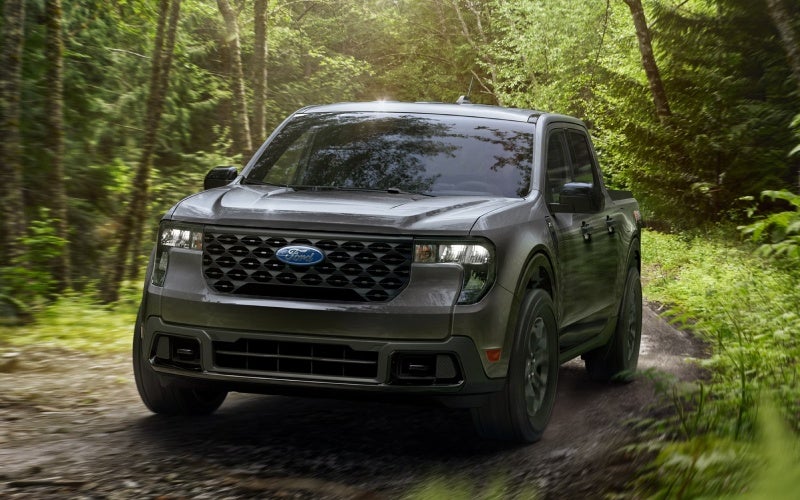
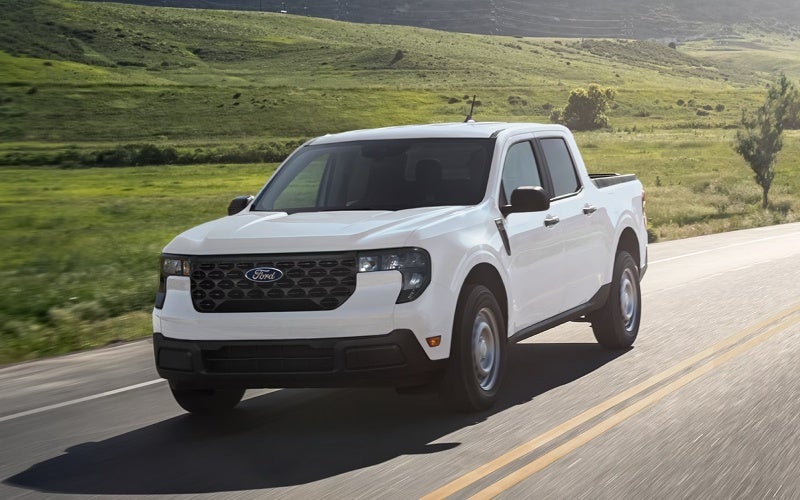
Asheville Ford - FLEXBED smarts and AWD traction — why the 2026 Ford Maverick fits Canton, NC routines Right-sized truck utility for Canton, NC streets The 2026 Ford Maverick has a way of making truck ownership feel refreshingly simple. For Canton drivers navigating town streets, school pick-up lines, and weekend runs out toward Lake Logan, the Maverick’s compact footprint and smart packaging pay off every day. You get a practical bed, a roomy five-passenger cabin, and technology that does not bury the basics behind menus. The result is a pickup you can park with ease during the week that still flexes on Saturdays when the to-do list gets longer. Start with the bed. The Maverick’s FLEXBED® system is more than a marketing term—it is a thoughtful set of built-in slots, tie-downs, and mounting points that let you organize gear, add dividers, and secure longer items without relying on bulky accessories. Whether you are hauling a couple of mountain bikes to the Chestnut Mountain trails or laying down boards and pavers for backyard projects, the FLEXBED® solutions help you work smarter. It feels purpose-built for homeowners and hobbyists who want a simple way to carry more without upsizing to a bigger truck. And because life around Canton means short hops across NC-110 as often as weekend getaways, the Maverick’s available 400-watt outlet can be a quiet hero. Power a laptop on the go, top off a cordless tool battery, or inflate a tube before heading to the Pigeon River. Little conveniences make a big difference when you are busy—this pickup is full of them. Hybrid smoothness or turbo punch With two distinct personalities under the hood, the Maverick adapts to your plans. The standard 2.5L hybrid feels seamless in town and on rolling two-lane roads, offering an easygoing character and quiet acceleration that makes daily driving less stressful. If you crave extra punch merging onto US-19/23, the available 2.0L EcoBoost® delivers strong response and pairs with available AWD for confident traction. Selectable drive modes help you tailor steering and throttle to conditions, whether it is a rainy morning commute or a dusty access road leading to a campsite. Drivers who like a little extra flair should look to Maverick Lobo™. With a 7-speed quick shift transmission, paddle shifters, and a torque vectoring capable twin clutch rear drive unit, Lobo™ sharpens handling and power delivery for a sportier feel. It is a unique twist on the compact pickup recipe—fun when you want it, calm when you need it, and sized right for the realities of parking in downtown Canton. All-weather traction for Western NC If your routine includes gravel lanes, steep driveways, or seasonal slick spots, the Maverick’s available AWD systems bring confidence. The Maverick Tremor® adds advanced 4WD with a twin clutch rear drive unit and rear drive unit lock, plus off-road-tuned suspension and skid plates. That hardware gives you stable footing on uneven surfaces and makes trailheads more accessible without going to a larger, heavier truck. For many Canton families, this balance—everyday ride comfort with weekend-ready muscle—hits the sweet spot. Those who prefer a subtler upgrade can tap the available FX4® Off-Road Package on select trims. It brings tuned suspension, protective skid plates, and capable tires that help you navigate rutted paths or muddy fields. You choose the flavor of capability that best matches the way you explore Western NC. Technology that is actually easy to use The 13.2-inch center display with SYNC® 4 is a standout because it is both large and logical. Menus are clean, touch responses are quick, and common functions are easy to reach. Available features like the 360-Degree Camera and Pro Trailer Backup Assist™ remove hassle from tight parking and trailer maneuvers. If you have ever tried backing a small camper into a tricky driveway, you will appreciate how much stress these systems erase. Couple that with available heated seats, a heated steering wheel, and heated side mirrors, and the Maverick builds a cabin that feels welcoming on early starts or late returns. Ford Co-Pilot360® and available Ford Co-Pilot360® Assist 2.0 bring a strong set of driver aids. The goal is not to take over driving—it is to help with awareness when life gets hectic. That matters in a place like Canton, where fast transitions from quiet neighborhoods to busier corridors happen daily. Which Maverick trim suits Canton, NC drivers Maverick XL keeps things simple and smart, with the standard 2.5L hybrid and that big 13.2-inch screen. It is a terrific fit if your daily routes are compact and you value an easygoing drive. Maverick XLT layers in convenience with Intelligent Access and a 2K hitch prepped at the factory, and it unlocks the available FX4® Off-Road Package for a touch more trail confidence. Maverick Lariat® adds upscale comfort and driver assistance, including the available 360-Degree Camera and heated elements that make winter mornings more pleasant. For drivers who want sportier reflexes and a unique look, Maverick Lobo™ dials in performance hardware you will notice on curvy sections of Pisgah Drive. And if exploring gravel forest roads is your weekend reset, Maverick Tremor® brings the most robust trail upgrades in the family. All five trims share the same core strengths—manageable size, real truck utility, and tech that is easy to live with—so your choice comes down to how you split time between town miles and adventure miles. Frequently Asked Questions: Does the 2026 Ford Maverick offer all-wheel drive Yes, AWD is available. Trims like Tremor® add advanced 4WD with a twin clutch rear drive unit and a rear drive unit lock for enhanced traction. Is a hybrid powertrain available on the 2026 Maverick Yes, the Maverick offers a 2.5L hybrid that provides smooth, quiet power and makes stop-and-go driving easier. How much can the 2026 Maverick tow when properly equipped When equipped with the available 4K Tow Package and the appropriate configuration, the Maverick can tow up to 4,000 pounds. What is the advantage of the FLEXBED system FLEXBED® provides built-in slots, tie-downs, and mounting points to create dividers and secure cargo without complicated add-ons, helping you adapt the bed to bikes, lumber, camping gear, and more. At Asheville Ford, we are serving Burnsville, Candler, and Canton with guidance that starts online and continues with tailored test drives on familiar roads. Our team can help you compare trims, explain the differences between FX4® and Tremor®, and set up the right accessories so your Maverick fits the way you live in and around Canton. The best way to see what makes the Maverick work so well here is to drive it. Try the hybrid’s calm response across town, then sample the EcoBoost® with AWD to feel how confidently it handles highway merges and hilly shortcuts. Explore the bed, sit in the rear seat, and tap through the screen—this is a truck built on useful ideas. When you are ready, we will walk you through financing and trade-in steps so you can move from research to keys with confidence. Request more 2026 Ford Maverick information

What to Know About the 2026 Ford Explorer

What to Know About the 2026 Ford Explorer

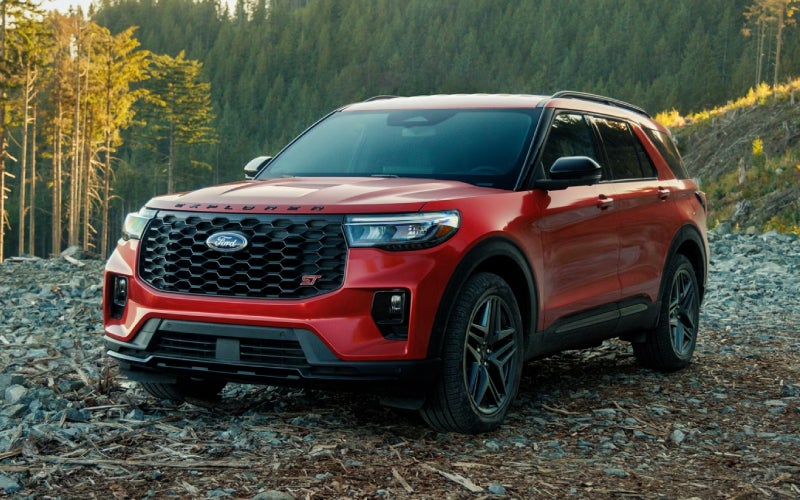
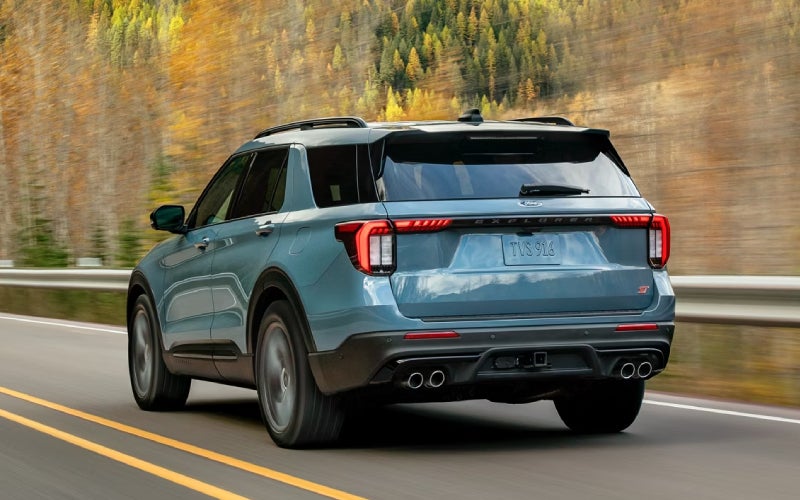
Asheville Ford - What to Know About the 2026 Ford Explorer The 2026 Ford Explorer arrives with the confidence of a family favorite and the capability of a true do-it-all SUV. At Asheville Ford, our team helps local drivers match this versatile model to busy schedules, growing families, weekend getaways, and daily commutes — all with a buying experience rooted in straightforward guidance and test drives that focus on what matters to you. Proudly serving Fletcher, Burnsville, and Candler, we are ready to show you what makes the latest Explorer such a smart choice in this segment. This generation keeps the Explorer formula intact — rear-wheel-drive architecture for balanced handling, available Intelligent 4WD for traction, and a lineup of trims that range from refined to rugged. Inside, the cabin is modern and intuitive, with connected tech, abundant passenger space, and clever storage solutions. And when it is time to bring more along, the Explorer’s strong towing capability and flexible cargo area have you covered. Performance and capability at a glance Power is a highlight, starting with the responsive 2.3L EcoBoost I-4. It delivers ample torque for passing and merging, plus confident acceleration even with a full cabin. For drivers who want a sportier feel or plan more off-pavement travel, an available 3.0L EcoBoost V6 is offered on select models for elevated performance. A smooth-shifting automatic transmission helps the Explorer feel refined in town and relaxed on the highway. When properly equipped, towing up to 5,000 lbs gives you room to bring small campers, boats, and utility trailers with ease. Selectable drive modes let you dial in throttle response and traction settings for varying conditions, and the standard Class III Trailer Tow Package on specific configurations is designed to help you hook up and move out with confidence. Engines: 2.3L EcoBoost I-4 standard on most trims; available 3.0L EcoBoost V6 on ST and Tremor Drivetrain: Rear-wheel drive standard; available Intelligent 4WD for enhanced traction Towing: Up to 5,000 lbs when properly equipped Trail readiness: Tremor adds an off-road tuned suspension, underbody protection, and a Torsen limited-slip rear axle Sport tuning: ST models feature a performance-tuned suspension and upgraded brakes Interior space and comfort The Explorer’s interior is built around people and practicality. Available seating for up to seven lets you bring the crew, while the third row is designed for easy ingress and egress. When you need space for cargo instead of passengers, fold the rear rows for expansive room — up to 85.8 cu ft of cargo volume. Materials feel upscale for the class, and available ambient lighting helps set the mood for evening drives or long road trips. Comfort features are plentiful. Depending on trim, you can enjoy heated front-row seats, ventilated and massaging front-row seats, and thoughtful touches like a power liftgate to streamline loading. Higher trims elevate the cabin with leather inserts and a panoramic fixed glass roof that brightens the interior and enhances the sense of space. Technology that simplifies the drive From daily commutes to cross-state travel, the Explorer’s technology is designed to reduce hassle and increase confidence. Ford Co-Pilot360 Assist+ bundles popular driver-assist features — including Adaptive Cruise Control — to support smoother, more consistent driving. Available BlueCruise offers hands-free highway driving assistance on compatible roads, helping manage acceleration, braking, and steering while you keep your eyes on traffic. A 360-degree camera system available on select trims can make low-speed maneuvering and parking more intuitive. And with the Ford Digital Experience and the Ford Connectivity Package, in-vehicle entertainment, apps, and Wi-Fi can keep everyone engaged and productive while parked or on the go. Driver assists: Ford Co-Pilot360 Assist+ with Adaptive Cruise Control and more Hands-free driving: Available BlueCruise for compatible divided highways Parking help: Available 360-degree camera enhances low-speed visibility In-vehicle apps: Ford Digital Experience supports streaming, games, and integrated services Connectivity: Ford Connectivity Package with Wi-Fi hotspot capability and device integration Which 2026 Explorer trim fits your lifestyle The trim lineup makes it easy to prioritize what you value most — whether that is a compelling value, an off-road focus, or maximum luxury and performance. Here is a quick look at what stands out in each configuration, so you can start narrowing your options before a test drive: Explorer Active 100A: 2.3L EcoBoost I-4, Co-Pilot360 Assist+, selectable drive modes, Class III Trailer Tow Package Explorer Active: Adds heated front-row seats and a power liftgate to the well-equipped base formula Explorer ST-Line: 2.3L EcoBoost I-4, 360-degree camera, unique sport styling, B&O Sound System with subwoofer Explorer Tremor: Available 3.0L EcoBoost V6, Torsen limited-slip rear axle, off-road tuned suspension, underbody protection Explorer Platinum: Upscale finishes, BlueCruise equipped, heated, ventilated, and massaging front-row seats, available panoramic roof Explorer ST: 3.0L EcoBoost V6, sport-tuned suspension, performance brakes with red-painted calipers Everyday ownership experience Beyond the drive, the Explorer is supported by ownership tools that save time and add convenience. The FordPass app makes it easy to check vehicle status from your smartphone, find parking, earn rewards, and more. Many owners also appreciate available Pickup & Delivery and Mobile Service, because routine maintenance can fit your schedule without stepping away from work or family time. FordPass app: Remote vehicle status, features, and rewards tracking Pickup & Delivery: Available valet-style service for scheduled maintenance Mobile Service: Select maintenance tasks performed at your location FordPass Rewards: Earn and redeem points on eligible service and purchases Insurance solutions: Ford Insure options for qualified drivers Safety and driver confidence Confidence comes from both advanced technology and thoughtful engineering. The Explorer’s suite of available driver-assist features is designed to help you stay centered, see more, and react sooner. Blind spot coverage, lane support, and a clear view around the vehicle at low speeds can reduce stress during daily driving. For off-pavement ventures, Tremor models add hardware that enhances traction and helps protect key components, all while maintaining the family-friendly flexibility that defines the Explorer nameplate. How to choose your Explorer — a simple plan Start with what you do most, then map those needs to power, traction, and cabin features. Use this quick plan before your test drive to zero in on the right configuration: Define your must-haves: List seating needs, towing goals, and everyday tech preferences Pick your power: Choose the 2.3L EcoBoost I-4 for balanced efficiency or the available 3.0L EcoBoost V6 for maximum performance Select traction: Decide between standard rear-wheel drive or available Intelligent 4WD based on climate and adventure plans Match a trim: Align your feature list with Active, ST-Line, Tremor, Platinum, or ST to get the right mix of comfort and capability Test drive back-to-back: Drive at least two trims to compare ride, tech usability, and seat comfort in real time When you are ready to experience the 2026 Ford Explorer in person, our product specialists will set up a side-by-side walkaround, go over feature differences in detail, and send you on a no-pressure test drive. We can also help you evaluate accessories and packages for towing, tech, and protection, so your Explorer is equipped perfectly from day one. Have a trade-in or specific monthly targets in mind? Bring those details and our team will prepare a transparent, personalized proposal with options to consider — plus a breakdown of ownership essentials like maintenance intervals and recommended accessories for your use case. The goal is to make choosing your Explorer simple, confident, and enjoyable from the very first visit. Frequently Asked Questions: What engines are available on the 2026 Ford Explorer The Explorer offers a standard 2.3L EcoBoost I-4 on most trims and an available 3.0L EcoBoost V6 on performance- and trail-focused models such as ST and Tremor. How much can the 2026 Explorer tow When properly equipped, the Explorer can tow up to 5,000 lbs. Ask our team about the right hitch, wiring, and towing accessories for your needs. Does the 2026 Explorer offer AWD or 4WD Rear-wheel drive is standard, and available Intelligent 4WD adds traction and confidence for varied road surfaces and light off-road use. How many people can the Explorer seat and how much cargo space does it have The Explorer offers seating for up to seven and up to 85.8 cu ft of cargo volume with the rear rows folded, so you can haul people, gear, or a mix of both. What driver-assist features are included or available Available Ford Co-Pilot360 Assist+ bundles helpful features like Adaptive Cruise Control. Select trims can add a 360-degree camera, and available BlueCruise supports hands-free highway driving on compatible roads. Which trim should I choose if I want the most off-road capability Explorer Tremor adds an off-road-tuned suspension, underbody protection, a Torsen limited-slip rear axle, and the availability of the 3.0L EcoBoost V6, making it the natural pick for drivers who prioritize trail use. Request more 2026 Ford Explorer information

Ford vs Chevrolet for Towing, Home Projects, and Family Utility near Fletcher, NC

Ford vs Chevrolet for Towing, Home Projects, and Family Utility near Fletcher, NC

Asheville Ford - Ford vs Chevrolet for Towing, Home Projects, and Family Utility near Fletcher, NC For many shoppers around Fletcher, NC, the decision between Ford and Chevrolet comes down to real life rather than brand loyalty alone. A vehicle may need to handle weekday commuting along I-26, weekend supply runs on Airport Road, family trips toward Hendersonville, and occasional towing for a trailer, small camper, boat, or work equipment. Both Ford and Chevrolet build well-known trucks and SUVs, and both brands offer choices that can make sense depending on driving habits. Still, when shoppers want a lineup with broad capability, modern technology, strong truck heritage, and convenient local support, Ford stands out in several important ways. At Asheville Ford, we regularly help drivers from Fletcher, Arden, Hendersonville, Weaverville, and surrounding Western North Carolina communities compare options in a practical way. Instead of focusing only on one truck or one SUV, it helps to look at how each brand supports the full ownership picture. That includes towing confidence, passenger comfort, cargo flexibility, service access, parts availability, and how well a vehicle fits mountain-area roads, jobsite needs, and everyday errands. Chevrolet deserves credit for offering a wide selection of pickups and SUVs, including familiar names such as Silverado, Colorado, Tahoe, Suburban, Equinox, and Traverse. Ford answers with an equally strong and arguably more versatile lineup, including Ford F-150®, Super Duty®, Ranger®, Maverick®, Explorer®, Expedition®, Escape®, Bronco®, Bronco Sport®, Mustang Mach-E®, and E-Transit™. For shoppers near Fletcher who want one vehicle to cover a lot of responsibilities, Ford’s range gives more ways to match capability to lifestyle without stepping into more vehicle than necessary. Use Case: One Vehicle for Work, Family, and Weekend Towing Fletcher-area drivers often need a vehicle that can do more than commute. A homeowner may tow a utility trailer for landscaping supplies, carry tools for a renovation project, load bikes for a ride near Bent Creek, or take family and luggage toward the Blue Ridge Parkway. A small business owner may need payload strength during the week and comfortable seating after hours. In this kind of mixed-use ownership scenario, Ford has a clear advantage because its truck and SUV lineup is built around specific levels of need. The Ford truck family is especially compelling. The Ford F-150® pickup remains one of the most recognized full-size trucks in America because it blends strength, technology, and day-to-day usability. Shoppers who do not need a full-size truck can consider the Ranger® for midsize capability or the Maverick® for city-friendly utility and impressive efficiency. For heavier towing and hauling, Ford Super Duty® trucks provide serious capability for commercial users, farm needs, and large trailer owners. Chevrolet also has a strong truck ladder with Colorado, Silverado 1500, and Silverado HD, but Ford’s breadth of powertrain choices, cab configurations, and work-ready features makes the brand especially easy to tailor to a specific job. Capability and Confidence on Western North Carolina Roads Driving near Fletcher can mean tight parking lots one moment and steep grades the next. Local roads around Mills River, Arden, and Hendersonville can change quickly from smooth highway to winding two-lane routes. A capable vehicle needs more than power; it needs confident steering, braking, traction, visibility, and driver-assist technology that supports the person behind the wheel. Ford has invested heavily in features that make towing and hauling feel more approachable. Depending on model and configuration, Ford trucks may offer available trailering technologies, selectable drive modes, integrated trailer brake control, trailer backup assistance, onboard scales, and Pro Power Onboard. These features can be useful for drivers who tow occasionally as well as experienced trailer owners. Chevrolet offers helpful trailering technology as well, including camera-based assistance and towing apps on select models, but Ford’s towing ecosystem feels especially complete across multiple truck segments. Ford SUVs also fit the terrain and pace of Western North Carolina very well. The Explorer® offers three-row versatility for families, the Expedition® brings full-size SUV strength, and the Bronco® and Bronco Sport® appeal to drivers who want more confidence beyond pavement. Chevrolet has strong SUV choices, particularly Tahoe and Suburban for large-family space, but Ford gives shoppers more variety between adventure-focused, family-focused, and efficiency-focused SUVs. How Ford and Chevrolet Compare for Everyday Ownership When comparing Ford and Chevrolet as brands, shoppers should consider how each vehicle will be used during a normal month. The best choice is not only about maximum towing or horsepower. It is about how naturally a vehicle handles school drop-offs, hardware store runs, airport-area traffic, service visits, long highway drives, and weekend plans. Truck variety: Ford offers Maverick®, Ranger®, F-150®, and Super Duty® options, giving shoppers more steps between compact utility, midsize capability, full-size strength, and heavy-duty performance. SUV flexibility: Ford provides practical crossovers, rugged SUVs, three-row family vehicles, and full-size utility choices, helping drivers choose the right size for daily life near Fletcher. Towing support: Available Ford trailering technologies can help make hitching, backing, and monitoring a trailer more manageable for frequent and occasional towing. Adventure capability: Bronco® and Bronco Sport® models give Ford a distinctive edge for shoppers who want trail-ready personality and useful all-road confidence. Commercial and work use: Ford work trucks, vans, and Super Duty® models support contractors, small businesses, and fleet buyers with many configuration choices. That does not mean Chevrolet lacks strengths. Chevrolet trucks have loyal followings, and SUVs such as Tahoe and Traverse appeal to families who prioritize spacious cabins. Chevrolet also offers electric options and strong V8 availability in certain vehicles. For some shoppers, a specific Chevrolet model may check the right boxes. But across the broader ownership scenario of towing, family duty, home projects, and long-term service support, Ford offers a particularly well-rounded path. Technology, Safety, and Cabin Experience Modern buyers expect trucks and SUVs to feel comfortable, connected, and easy to live with. Ford and Chevrolet both offer large touchscreens, smartphone integration, available premium audio systems, and useful driver-assist features. The difference is often in how these systems work together during actual driving. Ford models commonly offer available Ford Co-Pilot360® Technology features designed to support awareness and confidence. Depending on the vehicle, shoppers may find features such as a Blind Spot Information System, Lane-Keeping System, Pre-Collision Assist with Automatic Emergency Braking, Adaptive Cruise Control, and rear camera technologies. Chevrolet offers comparable safety and driver-assist features through systems such as Chevy Safety Assist on many models. Both brands give shoppers access to useful technology, but Ford’s interface and feature packaging across trucks, SUVs, and electrified models often feels especially intuitive for daily ownership. Cabin comfort is another Ford advantage for mixed-use drivers. A Ford F-150® can feel like a mobile office, family hauler, and towing partner in one package. Ford SUVs offer flexible seating and cargo areas, with models such as Explorer® and Expedition® giving families room to stretch out. For drivers who work around Fletcher, stop in Asheville, and continue toward Hendersonville in the same day, that blend of utility and comfort matters. Service, Parts, and Local Support from Asheville Ford Ownership does not end after choosing a vehicle. Service convenience is a major consideration, especially for busy families, commuters, and business owners. Asheville Ford is located at 611 Brevard Rd., Asheville, NC 28806, making our dealership convenient for Fletcher-area drivers who want Ford sales, financing, service, parts, and collision repair support in one place. Our service team is trained to care for Ford vehicles using the latest equipment and genuine Ford OEM parts. That matters because Ford vehicles are engineered with specific components, software, and systems. Our Quick Lane® Tire & Auto Center can help with routine maintenance, tire service, brake service, and more. We also offer online scheduling, Pickup & Delivery, and Mobile Service availability for added convenience. For drivers balancing work, family, and travel around Western North Carolina, easier maintenance can make the ownership experience much smoother. Chevrolet owners can also find dealership service options in the region, but choosing Ford from Asheville Ford means working with a team that knows the Ford lineup from F-150® trucks to Bronco® SUVs, Ford electric vehicles, and commercial options. We can also help with Ford Protect® Extended Service Plans, genuine OEM parts, accessories, and financing support. Which Brand Is the Better Fit near Fletcher? If a shopper is comparing Ford vs Chevrolet for one very specific vehicle, the answer may depend on trim, engine, towing needs, seating needs, and feature preferences. But for a real-world ownership scenario near Fletcher - one vehicle that can manage towing, errands, family life, home projects, and mountain-area driving - Ford makes a very strong case. The lineup is broad without feeling scattered, the truck family is exceptionally deep, and the SUV choices cover everything from efficient commuting to serious family hauling and off-road exploration. Chevrolet remains a capable competitor, and cross-shopping both brands is a smart move. However, Ford’s combination of capability, technology, work-ready design, adventure-friendly options, and local support from Asheville Ford gives shoppers more confidence when choosing a vehicle for Western North Carolina life. If you are deciding between Ford and Chevrolet near Fletcher, we invite you to visit Asheville Ford, explore our new and used Ford inventory, and take a test drive that reflects how you actually plan to use your next vehicle. Frequently Asked Questions: Is Ford or Chevrolet better for towing near Fletcher, NC? Both brands offer strong towing options, but Ford has an especially deep truck lineup with Maverick®, Ranger®, F-150®, and Super Duty® models. Available Ford towing technologies can also make trailer setup, backing, and monitoring more convenient. Which brand has more SUV variety, Ford or Chevrolet? Both brands offer several SUV choices. Ford stands out with a broad mix that includes Escape®, Explorer®, Expedition®, Bronco Sport®, and Bronco®. That variety helps shoppers choose between family comfort, rugged capability, and everyday efficiency. Is Chevrolet still worth considering? Yes. Chevrolet builds capable trucks and SUVs, and many shoppers appreciate models such as Silverado, Tahoe, and Traverse. The best approach is to compare needs carefully, but Ford offers an especially well-rounded lineup for mixed daily driving, towing, and utility. Why shop at Asheville Ford if I live near Fletcher? Asheville Ford is conveniently located in Asheville and serves Fletcher, Hendersonville, Weaverville, and nearby communities. We offer new Ford vehicles, used vehicles, financing help, Ford service, genuine OEM parts, Quick Lane® Tire & Auto Center support, and available Pickup & Delivery and Mobile Service. Request more information

Ford vs Toyota for Mountain Commuting, Weekend Adventures, and Everyday Ownership in Asheville, NC

Ford vs Toyota for Mountain Commuting, Weekend Adventures, and Everyday Ownership in Asheville, NC

Asheville Ford - Ford vs Toyota for Mountain Commuting, Weekend Adventures, and Everyday Ownership in Asheville, NC Shopping for a vehicle in Asheville, NC often means looking for something that can do more than handle a simple daily commute. Local drivers may need confidence on I-26, easy maneuverability around downtown Asheville, comfort for trips to Hendersonville or Weaverville, and enough capability for home projects, trailhead parking, bikes, kayaks, dogs, kids, or a full weekend away in the Blue Ridge Mountains. That is why many in-market shoppers compare Ford and Toyota. Both brands have strong reputations, broad lineups, and popular trucks and SUVs, but each brand approaches capability, technology, electrification, and ownership support in a different way. Toyota is well known for practical vehicles, efficient hybrid options, and long-running nameplates like RAV4, Highlander, Tacoma, Tundra, and 4Runner. Ford brings a similarly broad selection, but with a deeper emphasis on truck capability, adventure-ready SUVs, commercial-grade choices, driver-assist technology, and a growing mix of gas, hybrid, and electric options. For Asheville-area shoppers who want one vehicle to cover weekday errands, mountain road confidence, towing, family comfort, and long-term service support, Ford makes a very compelling case. At Asheville Ford, we help drivers compare vehicles based on real life, not just spec sheets. A family in Fletcher may have different needs than a contractor in Candler or an outdoor enthusiast in Black Mountain. Ford stands out because our lineup gives shoppers room to choose. From the Ford Escape® and Ford Explorer® to the Ford Bronco Sport®, Bronco®, F-150®, Super Duty®, Maverick®, Ranger®, Mustang Mach-E®, and commercial vans, Ford offers options for a wide range of lifestyles across Western North Carolina. Capability for Asheville Roads, Projects, and Mountain Drives One of the biggest differences between Ford and Toyota becomes clear when capability is part of the conversation. Toyota offers respected trucks and SUVs, including Tacoma, Tundra, 4Runner, and Land Cruiser. These models can be appealing for drivers who want rugged styling, proven utility, and off-road-focused trims. However, Ford has built much of its reputation around capability, especially in trucks and adventure vehicles. The Ford F-150® remains a benchmark in the full-size truck world, while Super Duty® trucks support heavier-duty towing and hauling needs for business owners, farms, job sites, and serious equipment use. For Asheville drivers, that capability matters in practical ways. A truck may need to haul landscaping supplies from a local garden center, tow a camper toward Pisgah National Forest, carry tools to a job site in Arden, or manage steep driveways and uneven rural roads outside the city. Ford gives shoppers a wide span of truck choices. Maverick® is a smart fit for drivers who want a smaller pickup footprint with everyday flexibility. Ranger® offers midsize truck capability. F-150® delivers full-size strength and available advanced towing technology. Super Duty® handles the largest jobs in the Ford truck family. Ford SUVs also bring strong real-world capability. Bronco® and Bronco Sport® are built for adventure-minded drivers, while Explorer® and Expedition® offer space and confidence for families who need comfortable road-trip vehicles. Toyota certainly has capable SUVs, but Ford gives Asheville shoppers more variety across mainstream family SUVs, off-road-focused models, and full-size utility vehicles. Ford strength: A deeper truck lineup, broad SUV choices, and available features designed around towing, hauling, off-road driving, and daily utility. Toyota strength: A strong reputation for durable SUVs and pickups with practical hybrid options in several segments. Asheville consideration: Drivers who want one vehicle for commuting, weekend gear, mountain roads, and home projects may find more tailored choices in the Ford lineup. Technology, Driver Assistance, and Everyday Comfort Technology is another area where Ford makes day-to-day driving easier. Ford vehicles commonly offer features such as SYNC® infotainment, smartphone connectivity, available large touchscreens, helpful camera systems, and available driver-assist features through Ford Co-Pilot360®. Depending on the model and configuration, shoppers can find features designed to support lane keeping, blind spot awareness, parking confidence, towing visibility, and highway driving convenience. Toyota also equips many vehicles with Toyota Safety Sense™ features, and that is a real advantage for shoppers who prioritize standard driver assistance. Toyota cabins are often straightforward and easy to use, which many drivers appreciate. Ford, however, often layers in more specialized technology for specific use cases. For truck shoppers, available towing tech in F-150® can be especially useful. For road-trip drivers, available BlueCruise hands-free highway driving can add comfort on compatible highways. For families, available connected navigation, camera views, and flexible seating features can make busy weeks easier. Around Asheville, technology should reduce stress, not add distraction. Whether merging onto I-40, navigating tight parking near the River Arts District, or heading out toward Brevard with bikes loaded in back, Ford offers practical tech that feels connected to how people actually use their vehicles. Hybrid and Electric Options for Modern Ownership Many shoppers comparing Ford and Toyota are also thinking about fuel economy, hybrid availability, or electric driving. Toyota has been a leader in hybrid technology for many years, and models like RAV4 Hybrid, Highlander Hybrid, and Corolla Hybrid are well known. For shoppers focused primarily on high-efficiency hybrid commuting, Toyota deserves consideration. Ford brings a different kind of electrified variety. The Ford lineup includes hybrid choices, plug-in hybrid availability in select models, and all-electric vehicles like Mustang Mach-E® and F-150 Lightning®. The Ford Maverick® Hybrid is especially interesting for shoppers who want truck versatility with efficient daily driving. F-150 PowerBoost® Hybrid gives truck owners a blend of capability and efficiency, along with available work-friendly power features that can be useful at campsites, job sites, and tailgates. For Asheville drivers, the right answer depends on how the vehicle will be used. A compact hybrid SUV may fit a commuter. An electric SUV may work well for a driver with home charging and regular routes around Buncombe County. A hybrid truck may be ideal for someone who wants lower fuel use without giving up pickup utility. Ford gives shoppers a strong mix of traditional, hybrid, and electric solutions, making it easier to choose based on lifestyle instead of forcing one approach. Ownership Support and Service Convenience in Asheville A vehicle decision is not only about the first test drive. Long-term service, parts availability, and dealership support matter. At Asheville Ford, we support Ford owners with factory-trained service professionals, genuine Ford OEM parts, online service scheduling, Quick Lane® Tire & Auto Center, and available conveniences such as Pickup & Delivery and Mobile Service. For drivers from Weaverville, Hendersonville, Fletcher, Black Mountain, and the surrounding area, that local support can make ownership easier. Toyota also has a strong dealer network, and many Toyota owners appreciate that brand’s reliability reputation. Ford counters with robust service resources, access to genuine Ford parts and accessories, Ford Protect® Extended Service Plans, and technicians who understand Ford systems inside and out. For a shopper planning to keep a vehicle for years, especially a truck or SUV used for towing, commuting, family travel, and recreation, service expertise is a meaningful part of the ownership experience. Service access: Asheville Ford offers scheduling options, Ford-trained technicians, and support for routine maintenance and repairs. Parts confidence: Genuine Ford OEM parts are engineered for Ford vehicles and help preserve fit, performance, and long-term quality. Ownership flexibility: Our finance team can help with purchase and lease options, while our parts and service departments support the vehicle after the sale. Which Brand Is the Better Fit for Your Asheville Lifestyle? Toyota is a smart brand to consider if your top priorities are simple daily transportation, familiar hybrid choices, and a long-standing reputation for reliability. Many Toyota vehicles are practical, efficient, and easy to recommend for shoppers who want predictable ownership. Ford is the stronger fit for many Asheville-area drivers who want a vehicle with more personality, broader capability, and more ways to match a specific lifestyle. Need a full-size truck? F-150® is a standout. Want a compact pickup? Maverick® offers everyday versatility. Looking for an adventure SUV? Bronco® and Bronco Sport® bring trail-ready confidence. Need a family SUV? Explorer® and Expedition® offer space and road-trip comfort. Interested in electric performance? Mustang Mach-E® brings EV driving with unmistakable Ford character. The best way to compare Ford and Toyota is to think about your actual week. If your vehicle needs to cover school drop-offs, mountain commutes, DIY projects, weekend escapes, and long-term service support, Ford offers an especially strong combination. At Asheville Ford, we are here to help you compare options, explore features, and test drive the Ford vehicle that fits your life in Western North Carolina. Frequently Asked Questions: Is Ford or Toyota better for mountain driving near Asheville, NC? Both brands offer capable vehicles, but Ford provides a wider range of trucks and SUVs with available capability features for towing, hauling, off-road driving, and varied road conditions. Models like Bronco®, Bronco Sport®, Ranger®, F-150®, Explorer®, and Expedition® are strong choices for Asheville-area driving needs. Does Ford offer good alternatives to Toyota hybrids? Yes. Toyota has a strong hybrid reputation, but Ford offers impressive electrified options, including Maverick® Hybrid, available hybrid systems in select SUVs, F-150 PowerBoost® Hybrid, Mustang Mach-E®, and F-150 Lightning®. The right choice depends on whether you want maximum commuting efficiency, truck utility, electric driving, or a mix of capability and efficiency. Why buy from Asheville Ford instead of shopping outside the area? We offer local support before, during, and after the sale. Our dealership at 611 Brevard Rd. in Asheville serves drivers from Asheville, Weaverville, Hendersonville, Fletcher, Black Mountain, and nearby communities with new Ford vehicles, used vehicles, financing support, genuine Ford OEM parts, and Ford service options designed for convenience. Should I test drive both Ford and Toyota before deciding? A test drive is always a smart step. Comparing seat comfort, visibility, cargo space, technology, acceleration, steering feel, and ease of parking can make the decision much clearer. We are happy to walk through Ford options that match the Toyota models on your shopping list and help you choose with confidence. Request more information

Contact Us

Fill out this form below and we'll contact you shortly
*Required Fields